Alfredo Contaldoβίντεο
SAILING ROPES ⛵ Conventional and high-modulus fibers: differences and how to choose them⚓
30 Μαΐου 2024 · 18 λεπτά · 9K προβολές
Τι καλύπτει αυτό το βίντεο
Selecting the correct marine line requires matching fiber properties—specifically tenacity, elongation, and abrasion resistance—to the intended application, such as halyards, sheets, or mooring lines.1:27 Traditional polyester lines offer high abrasion resistance and UV stability, making them suitable for sheets and general use, while high-modulus polyethylene (HMPE) fibers like Dyneema provide significantly higher breaking strength and lower stretch, which is essential for halyards.5:04 Polyester lines typically feature a double-braid construction with a protective cover, whereas HMPE lines are often single-braid and require professional splicing to maintain structural integrity, as knots can reduce their breaking strength by up to 60 percent.4:04 For mooring, three-strand twisted lines are preferred because their construction allows for the elasticity needed to absorb shock loads from surge or tide.10:30 When sizing lines, sailors should consult load-rating tables based on vessel length and displacement to determine the appropriate diameter for specific tasks.17:08
Περισσότερα από το Alfredo Contaldo
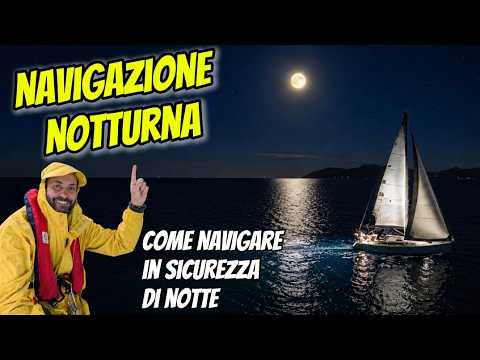
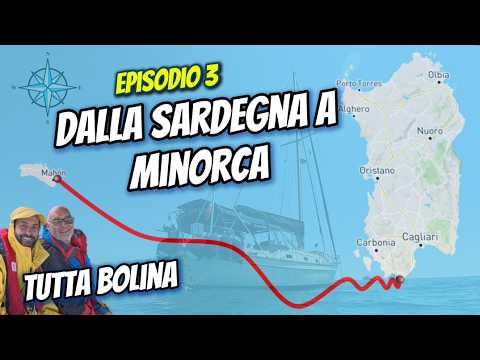
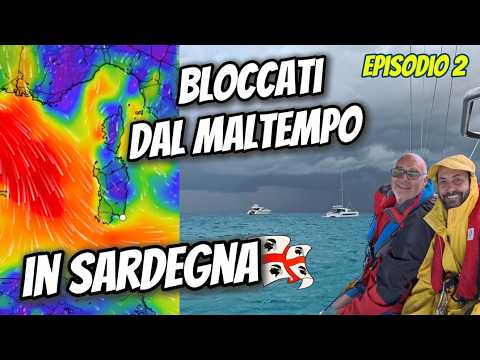
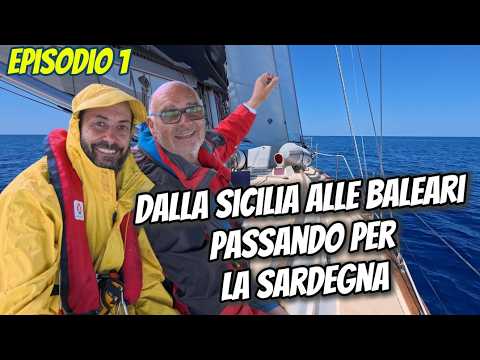

Από Alfredo Contaldo — δείτε το σκάφος του καναλιού, το πλήρωμα και κάθε αναλυμένο βίντεο.
The Sailing Directory Newsletter
Ένα email με τις καλύτερες ανακαλύψεις του στόλου — τις στιγμές, τα σκάφη και τις ιστορίες που αξίζουν τον χρόνο παρακολούθησής σας. Εισάγετε τη διεύθυνσή σας για να λάβετε το δικό σας αντίγραφο.