Yourbestsailvideo
Test 2 - Basic Knowledge 3
3. mai 2024 · 19 min · 1K visninger
Hva denne videoen dekker
Heavy weather sailing techniques include running before the wind, managing wave-induced broaching, and using drogue lines to stabilize the stern.4:09 When running in large following seas, manual steering outperforms autopilots, which struggle with energy consumption and constant load.6:53 To prevent broaching, trailing a long line in a U-shape from the stern cleats acts as a brake and directional stabilizer.8:52 In high-wind conditions, moving the mainsail traveler to windward helps the boat recover speed after climbing steep waves, though this limits upwind performance.7:45
Regarding collision avoidance under COLREGs, vessels must distinguish between the stand-on and give-way roles.9:42 When a large vessel fails to maneuver as required, a stand-on vessel forced to take emergency action should turn to starboard to avoid confusion, never to port.12:33 Anchoring in 30-knot winds over sand requires a scope of 6:1 to 7:1.14:36 Finally, wave refraction causes swells to align parallel to coastlines, while headlands act as lenses that concentrate wave energy, increasing height and steepness compared to the dispersive effect of bays.17:14
Mer fra Yourbestsail
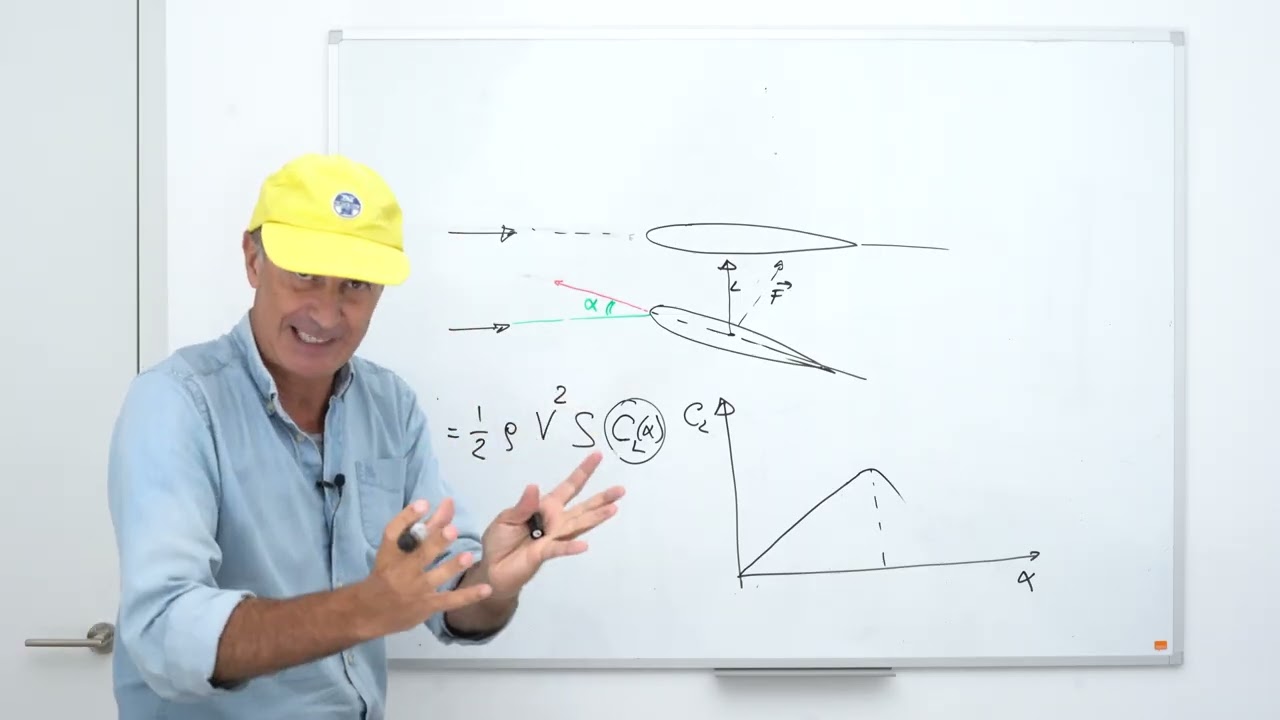
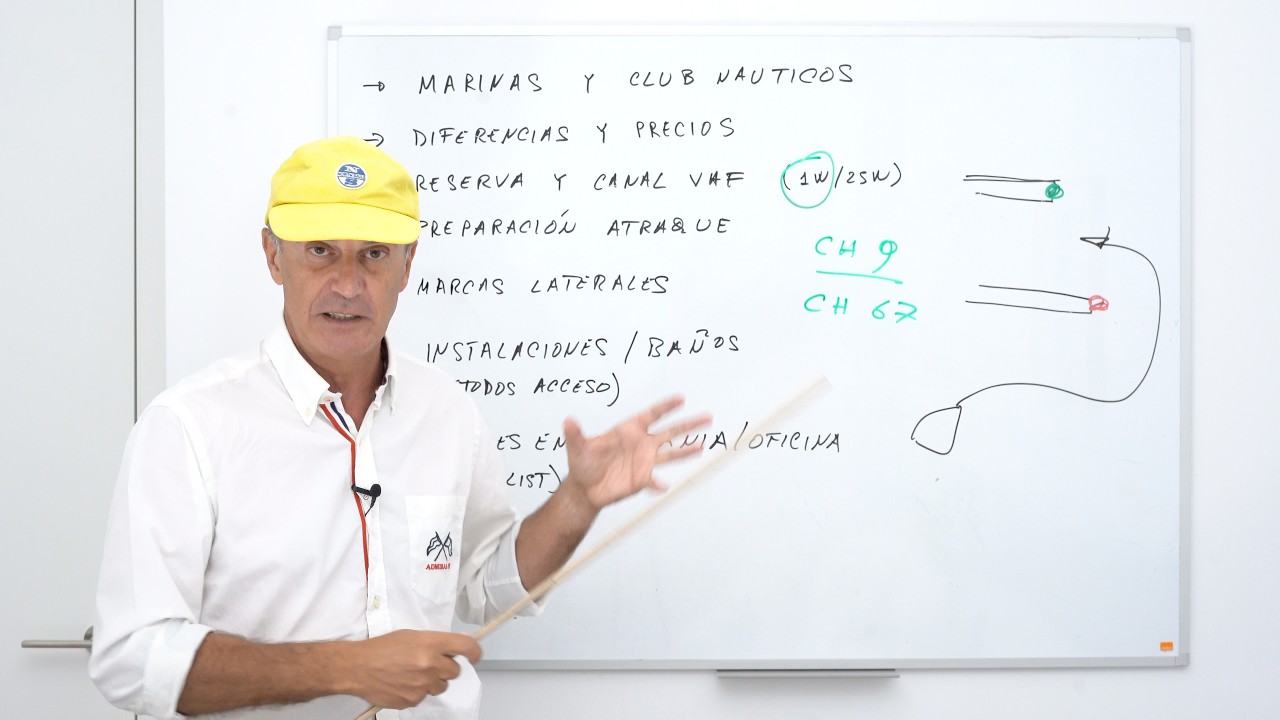

Fra Yourbestsail – se kanalens båt, mannskap og alle analyserte videoer.
The Sailing Directory Newsletter
Én e-post med flåtens beste funn – øyeblikkene, båtene og historiene som er verdt din seertid. Skriv inn din egen adresse for å få din egen kopi.