SailingAlonevídeo
Sailing alone. How? The technical issues for solo sailing across oceans
18 de octubre de 2024 · 12 min · 356K visitas · Pazifischer Ozean
Qué cubre este vídeo
Solo ocean sailing requires a combination of redundant technical systems and rigorous personal safety protocols to manage risk. Dunkeln relies on an AIS unit configured with a 1-nautical-mile, 18-minute alarm to monitor traffic and facilitate communication with other vessels.1:24 For sleep management, he utilizes 90-minute intervals to align with natural sleep cycles, avoiding the 20-minute alarm method.3:28 To enhance passive safety on his 17-ton steel vessel, he replaced standard 23-inch lifelines with 33-inch stainless steel railings, allowing for safer movement on deck.5:40 He maintains multiple steering options, including a wind vane, autopilot, and a spare tiller, while ensuring all critical systems are duplicated.7:00 Active safety measures include carrying a climbing harness for mast work, maintaining a clear deck, and managing seasickness with medication.8:59 When docking, he prioritizes a center mooring line to compensate for the boat's sensitivity to crosswinds and lack of a bow thruster.11:08 Redundancy and self-sufficiency are the primary requirements for managing a vessel alone.
Más de SailingAlone
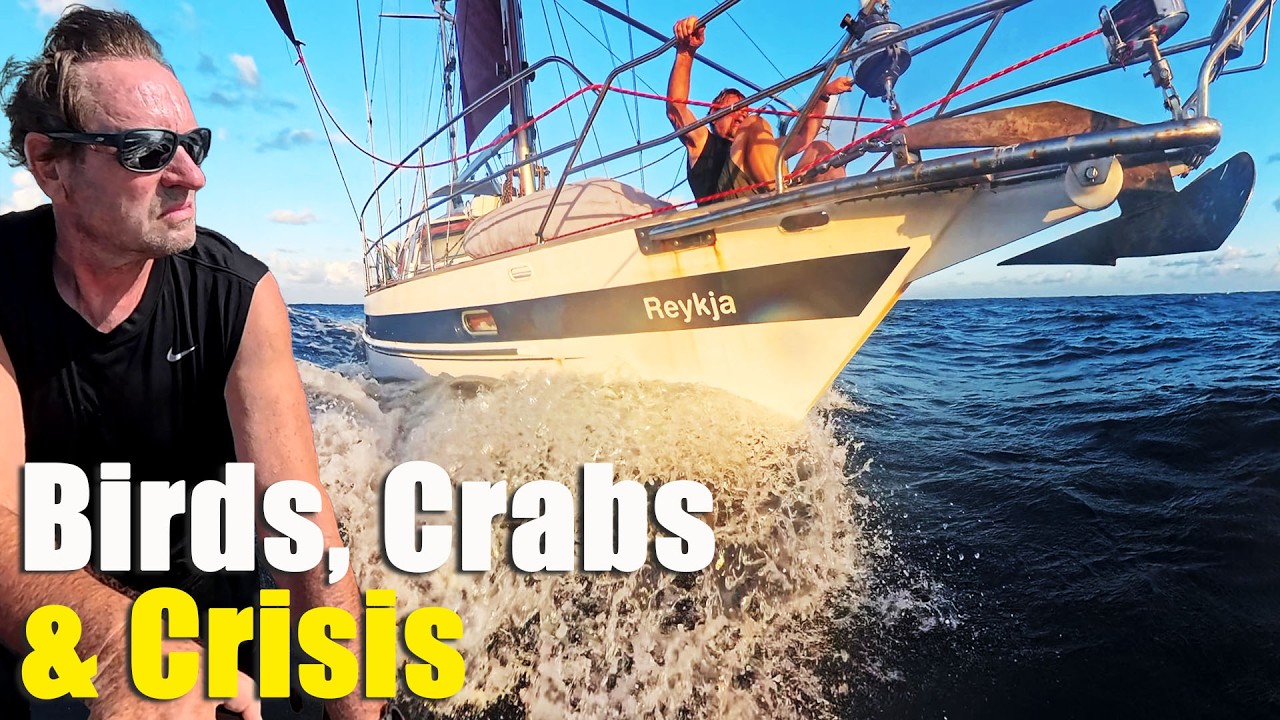


De SailingAlone — mira el barco del canal, la tripulación y cada vídeo analizado.
The Sailing Directory Newsletter
Un correo electrónico con los mejores hallazgos de la flota: los momentos, barcos e historias que merecen tu tiempo de visionado. Introduce tu dirección para recibir tu propia copia.