Sailing Britalyvídeo
Passage Planning: A Real-World Example | ⛵ Sailing Britaly ⛵
16 de mayo de 2020 · 25 min · 34K visitas · France
Qué cubre este vídeo
Solo sailors planning coastal passages can mitigate risk by creating a manual route that accounts for tidal currents, navigational hazards, and emergency contingencies. When preparing a route, use apps like Navionics for initial distance and waypoint calculations, but manually verify the path to avoid hazards such as drying heights or munitions dumping grounds.14:22 For a 18.4-nautical-mile passage from Dunkirk to Newport, calculate travel time based on a conservative 4-knot speed to ensure the ability to adjust for changing conditions.3:59 Check tidal diamonds along the route to time departures for favorable currents, and cross-reference wind and wave forecasts on Windy to avoid choppy seas caused by wind-against-tide conditions.5:40 Maintain a written passage plan including VHF channels for departure and arrival ports, waypoints, and notes on hazards.20:55 This documentation serves as a vital reference for solo operators and fulfills legal requirements for offshore transits.16:06 A methodical, written plan allows for safer decision-making and provides a reliable fallback if conditions change or equipment fails during the voyage.
Más de Sailing Britaly


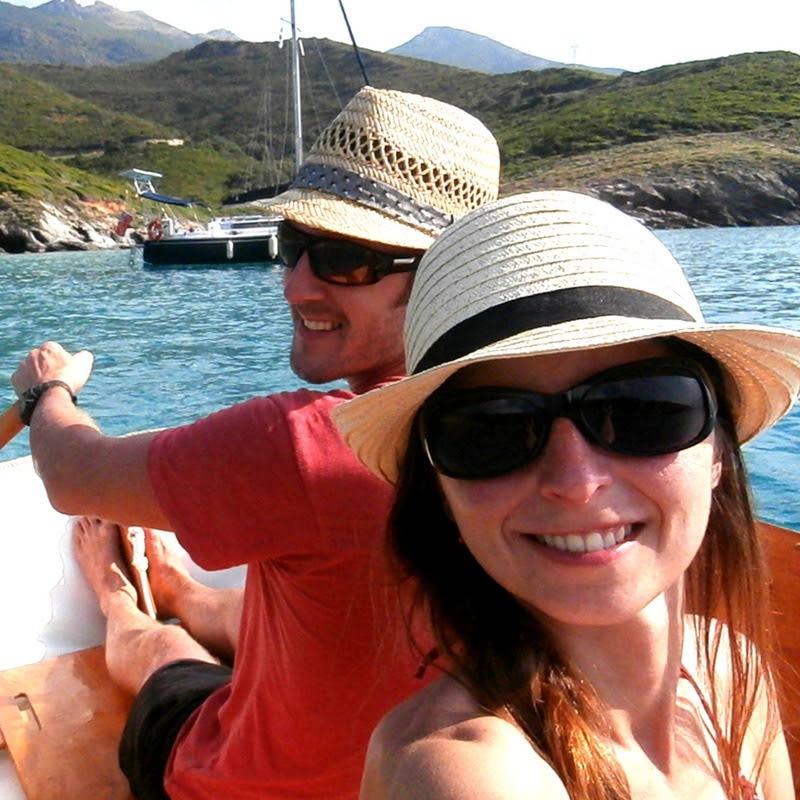
De Sailing Britaly — mira el barco del canal, la tripulación y cada vídeo analizado.
The Sailing Directory Newsletter
Un correo electrónico con los mejores hallazgos de la flota: los momentos, barcos e historias que merecen tu tiempo de visionado. Introduce tu dirección para recibir tu propia copia.