Yourbestsailvídeo
The Windshear
1 de mayo de 2020 · 17 min · 5K visitas
Qué cubre este vídeo
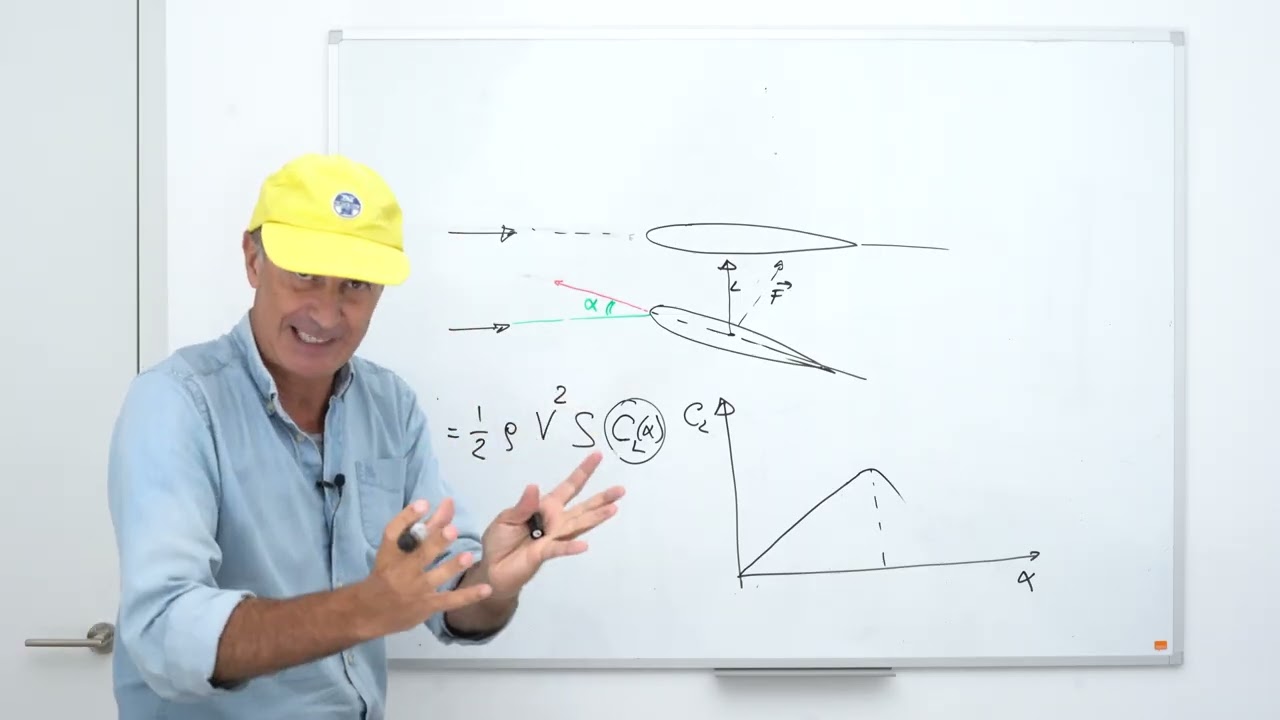
Wind shear, or the vertical gradient of wind speed and direction, causes asymmetrical sailing performance between tacks that is often mistaken for instrument miscalibration or poor sail trim.0:57 In stable atmospheric conditions with light-to-medium winds and flat seas, wind speed increases linearly with height from the surface to the masthead.3:53 Because the wind sensor sits at the top of the mast, it measures a higher velocity and a different direction than the air acting on the lower sections of the sails.6:48 In the Northern Hemisphere, this friction-induced gradient causes the wind to back (shift left) as it nears the surface.9:17 This shift creates a discrepancy in True Wind Angle readings between tacks, where one tack may appear significantly more efficient than the other on instrument displays despite identical boat performance.12:08 To maintain sail efficiency in these conditions, sailors must increase sail twist, closing the lower sections while opening the top to account for the varying apparent wind angles.7:56 Recognizing this phenomenon prevents unnecessary and ineffective adjustments to rig tension or instrument calibration during racing.15:01
Más de Yourbestsail


De Yourbestsail — mira el barco del canal, la tripulación y cada vídeo analizado.
The Sailing Directory Newsletter
Un correo electrónico con los mejores hallazgos de la flota: los momentos, barcos e historias que merecen tu tiempo de visionado. Introduce tu dirección para recibir tu propia copia.