Yourbestsailvídeo
Relationships between heading vectors
10 de septiembre de 2023 · 19 min · 2K visitas
Qué cubre este vídeo
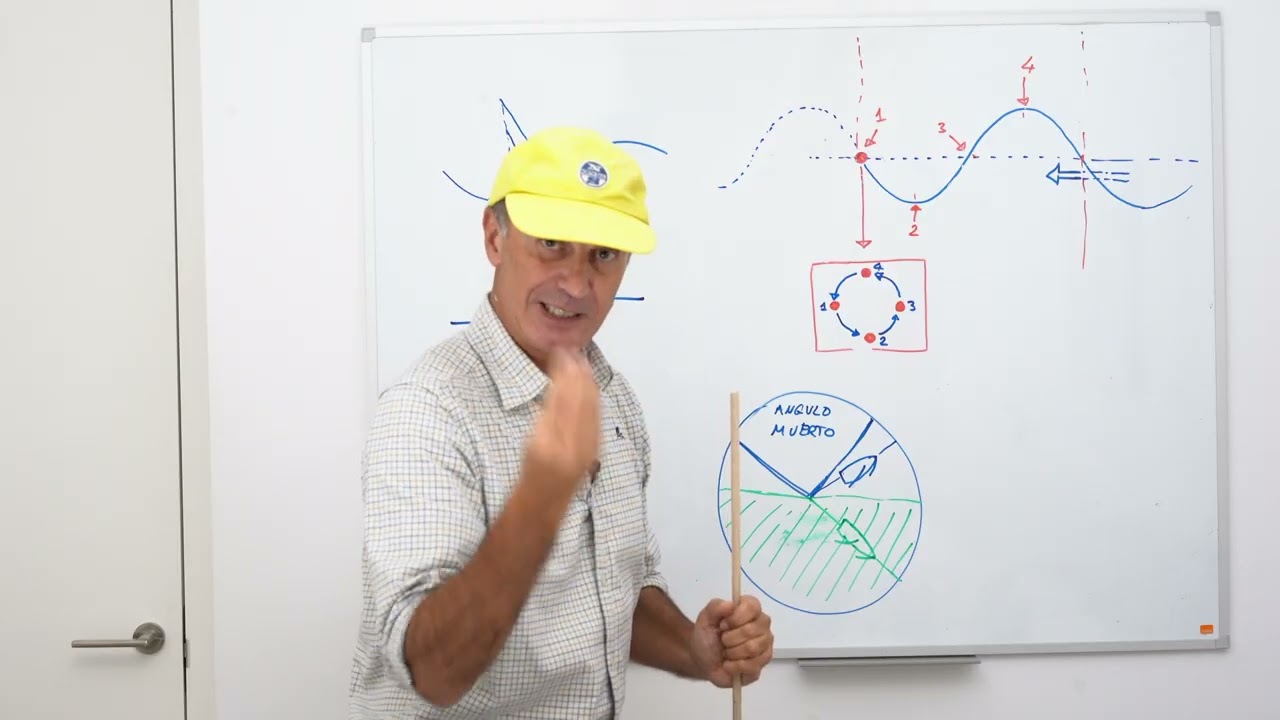
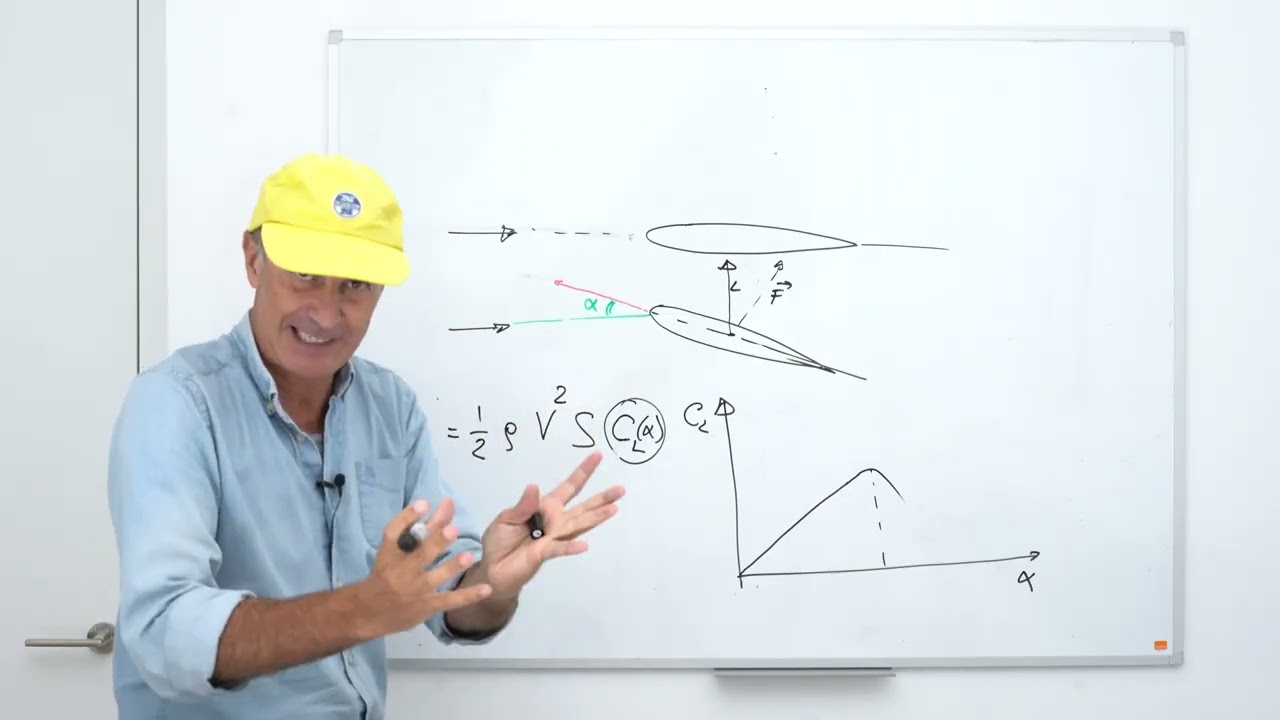
Navigating effectively requires distinguishing between true heading, surface heading, and course over ground (COG). True heading represents the direction of the boat's bow relative to true north, while surface heading accounts for leeway—the lateral drift caused by wind acting on the hull and sails. Leeway is particularly significant for sailboats sailing close-hauled, where the keel's angle of incidence to the water flow creates substantial lateral force. COG and speed over ground (SOG) represent the vessel's actual track and speed relative to the seabed, determined by the vector sum of the surface heading and the current.
To calculate the required compass heading to reach a destination, sailors must plot the desired COG on a chart, account for current velocity and direction, and adjust for leeway. Modern GPS plotters automate these calculations by comparing data from the electronic compass and the paddlewheel log to estimate current. However, these instruments often omit leeway from their internal calculations. Understanding these vector relationships remains essential for verifying plotter data and maintaining an accurate dead reckoning position.
Más de Yourbestsail

De Yourbestsail — mira el barco del canal, la tripulación y cada vídeo analizado.
The Sailing Directory Newsletter
Un correo electrónico con los mejores hallazgos de la flota: los momentos, barcos e historias que merecen tu tiempo de visionado. Introduce tu dirección para recibir tu propia copia.