Hashtag Salvídeo
When to Make a Sailing Crossing? #Flor_de_Sal 44
15 de septiembre de 2019 · 15 min · 24K visitas · Cananéia
Qué cubre este vídeo
Planning a 24-hour coastal passage requires balancing wind direction, wave height, and tidal currents to ensure both safety and crew comfort. When evaluating weather windows, sailors should prioritize downwind conditions, as sailing against strong winds and opposing currents can double the transit time and increase physical strain. Forecast models, such as those showing wind speed in knots and wave patterns, help identify optimal departure times, though users must distinguish between average wind speeds and peak gusts.
Beyond wind, wave direction relative to the hull is critical; side-on waves increase rudder load and discomfort, while waves opposing a tidal current at a harbor entrance can cause dangerous breaking seas. In such cases, timing the departure for slack tide is essential. While ocean currents like the Gulf Stream significantly impact speed, coastal currents are often less influential but still require monitoring. Ultimately, a successful passage plan integrates weather forecasting with an assessment of the vessel's mechanical reliability, as relying solely on an engine during calm periods introduces risks if the motor fails.
Más de Hashtag Sal
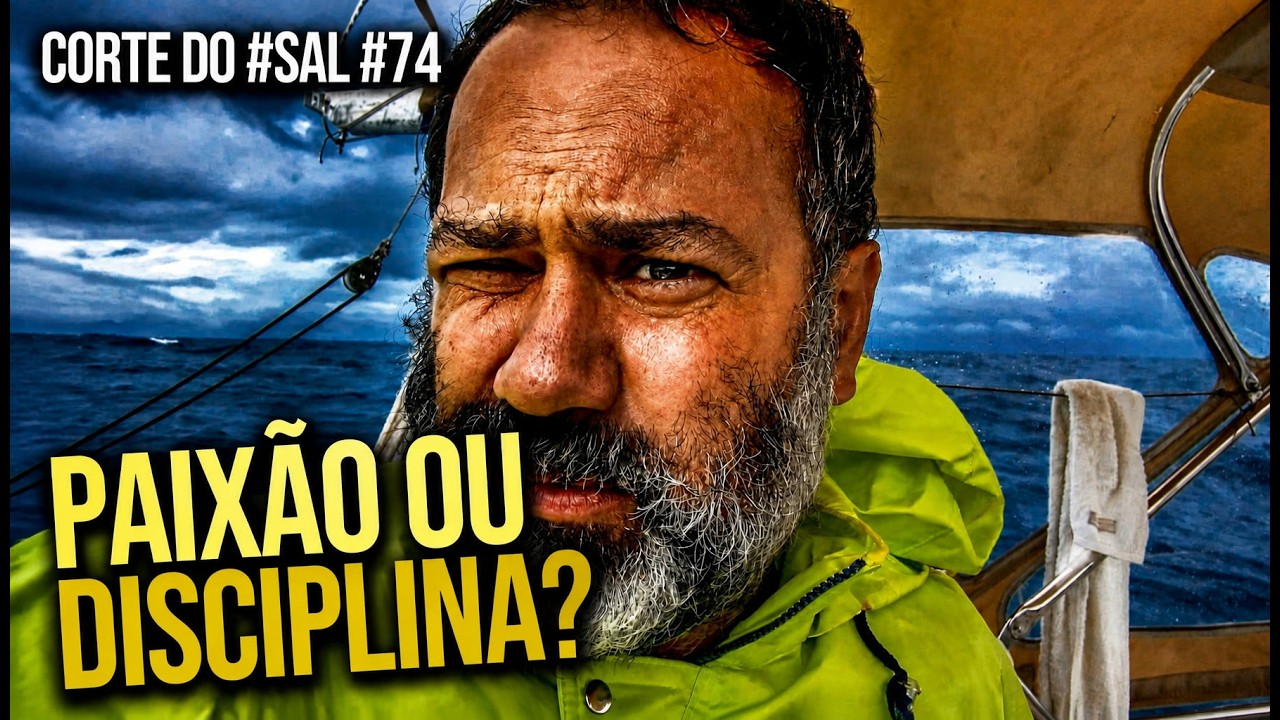

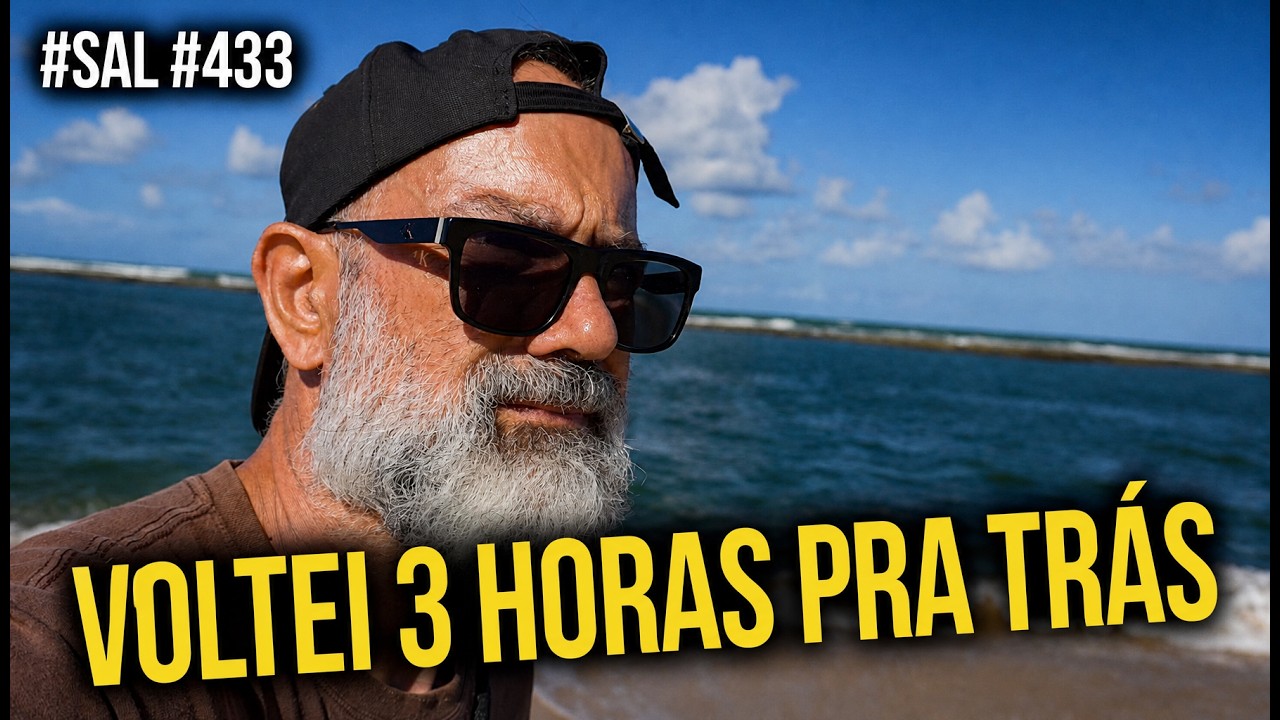


De Hashtag Sal — mira el barco del canal, la tripulación y cada vídeo analizado.
The Sailing Directory Newsletter
Un correo electrónico con los mejores hallazgos de la flota: los momentos, barcos e historias que merecen tu tiempo de visionado. Introduce tu dirección para recibir tu propia copia.