BoatworksTodayvídeo
LAYING FIBERGLASS START WITH SMALL OR BIG PIECE FIRST AND OTHER FAQ'S!
20 de septiembre de 2020 · 21 min · 85K visitas · Lake Superior
Qué cubre este vídeo
Polyester resin requires an air barrier to cure properly, as the resin remains tacky when exposed to oxygen.2:55 Applying a layer of gel coat over the wet laminate serves as an effective barrier, though polyvinyl alcohol (PVA) or wax additives mixed into the resin are alternatives.4:44 PVA is water-soluble, requiring a wash before sanding, which can create a sticky mess in a shop environment.6:29 Peel ply is another option for creating a smooth, textured surface, but it adds material costs and waste.10:54
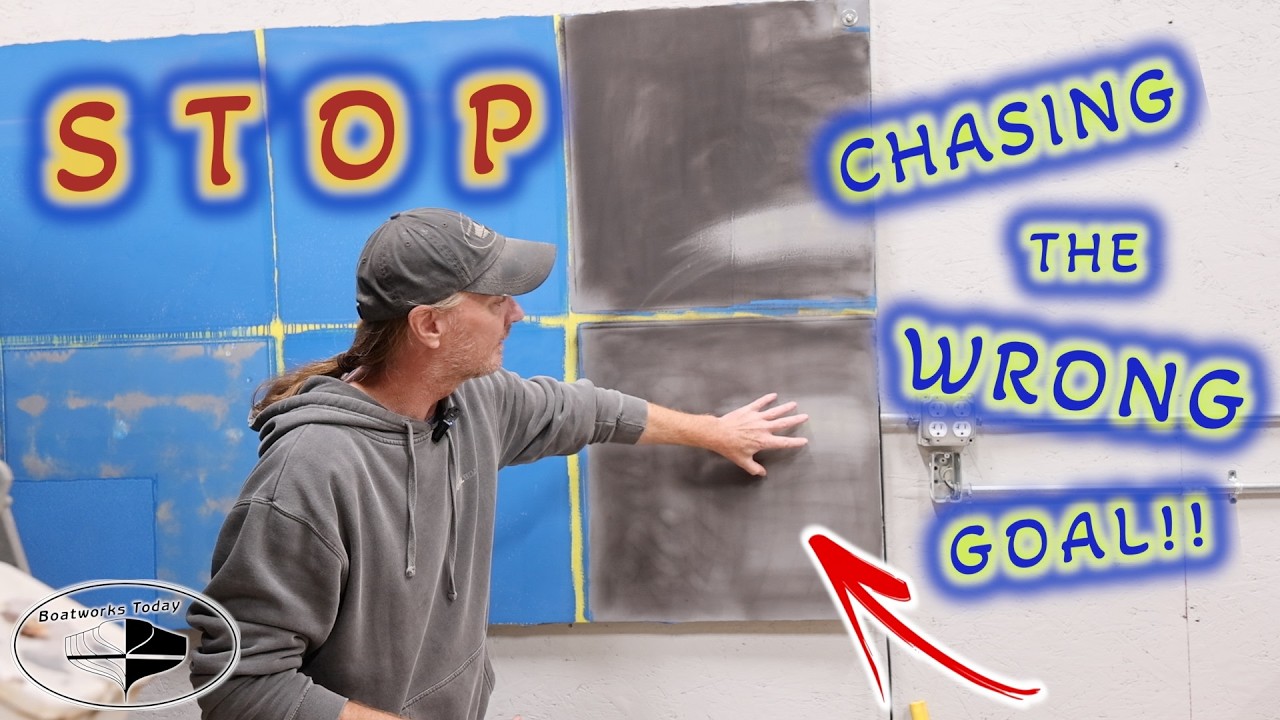
When performing fiberglass repairs, applying layers from smallest to largest ensures each piece of glass bonds directly to the surrounding hull surface.17:34 This method creates a stronger, more redundant laminate compared to starting with a large piece, which relies on the bond of a single initial layer.17:52 Proper surface preparation and correct resin catalysis remain the most critical factors for structural integrity regardless of the layering sequence.19:21 The Festool RO150 sander provides effective dust collection and dual-mode operation, switching between random orbit and direct-drive rotary motion.7:36
Más de BoatworksToday


De BoatworksToday — mira el barco del canal, la tripulación y cada vídeo analizado.
The Sailing Directory Newsletter
Un correo electrónico con los mejores hallazgos de la flota: los momentos, barcos e historias que merecen tu tiempo de visionado. Introduce tu dirección para recibir tu propia copia.