Why I Chose a Backup Autopilot Instead of a Windvane for Cape Horn
7 aprile 2026 · 7 min · 4K visualizzazioni
Cosa tratta questo video
Pete, skipper of the 50-ft, 32,000-lb sloop Aqualibra, explains why he chose a second electric autopilot rather than a windvane as backup steering for a 9,000-mile passage from Panama around Cape Horn to Cape Town.1:49 The core technical argument: on a heavy boat that surfs in high seas, a windvane's air vane responds to apparent wind, which shifts forward when the boat accelerates down a wave face.1:55 On a deep broad reach or run, that triggers a steering correction mid-surf, risking a broach.2:24 Pete rates windvanes as reliable on beats, reaches, and broad reaches in lighter air where surfing is unlikely, but not on the downwind angles that dominate a Southern Ocean passage.3:18 Physical constraints reinforced the decision: Aqualibra's swim platform, boarding ladder, and heavy-duty dinghy davits leave no clean mounting point for a Hydrovane or Monitor windvane.3:49 In practice, the primary B&G autopilot steered to apparent wind angle; the original Whitlock/Raymarine unit served as backup but failed due to NMEA 0183 wiring faults caused by condensation after the heater failed.5:01 Electrical supply — 500 W of solar, a Watt and Sea hydrogenerator, and an engine alternator — was never a limiting factor.5:59 On a surfing boat with a cluttered transom, two electric pilots outweigh the power-independence advantage of a windvane.6:38
Altro da Lucky Pete Sailing AQUALIBRA
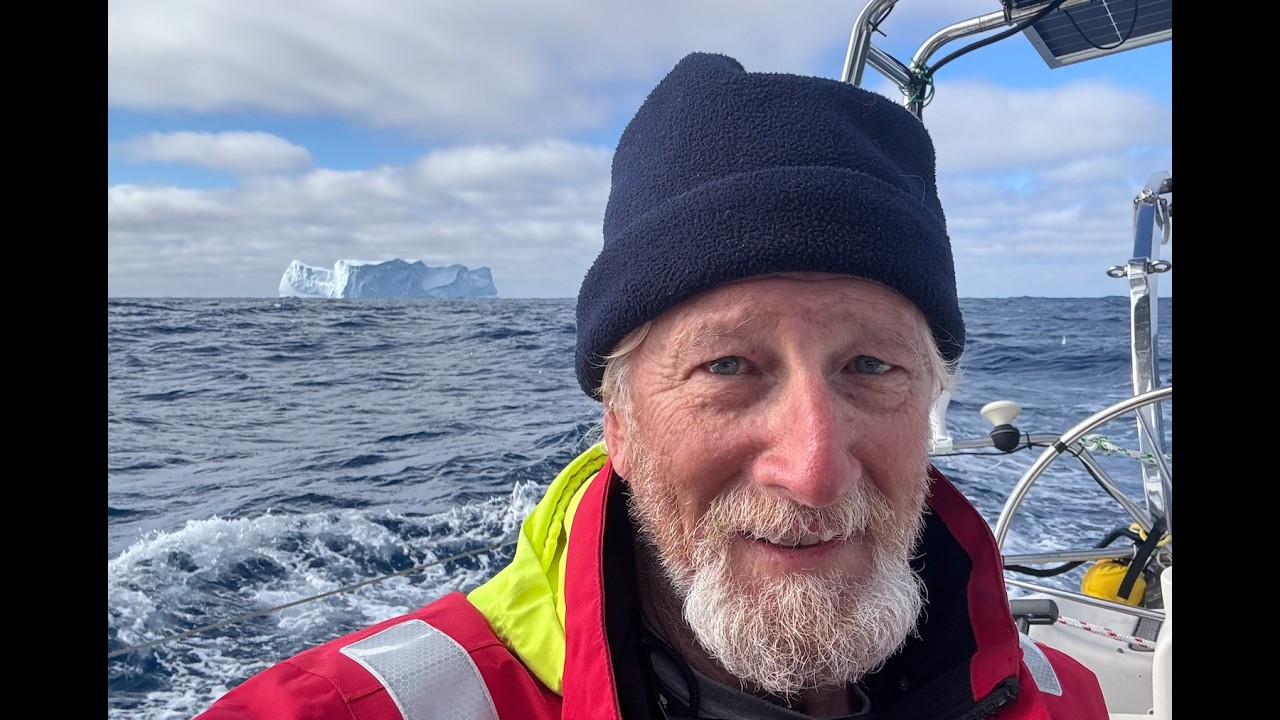


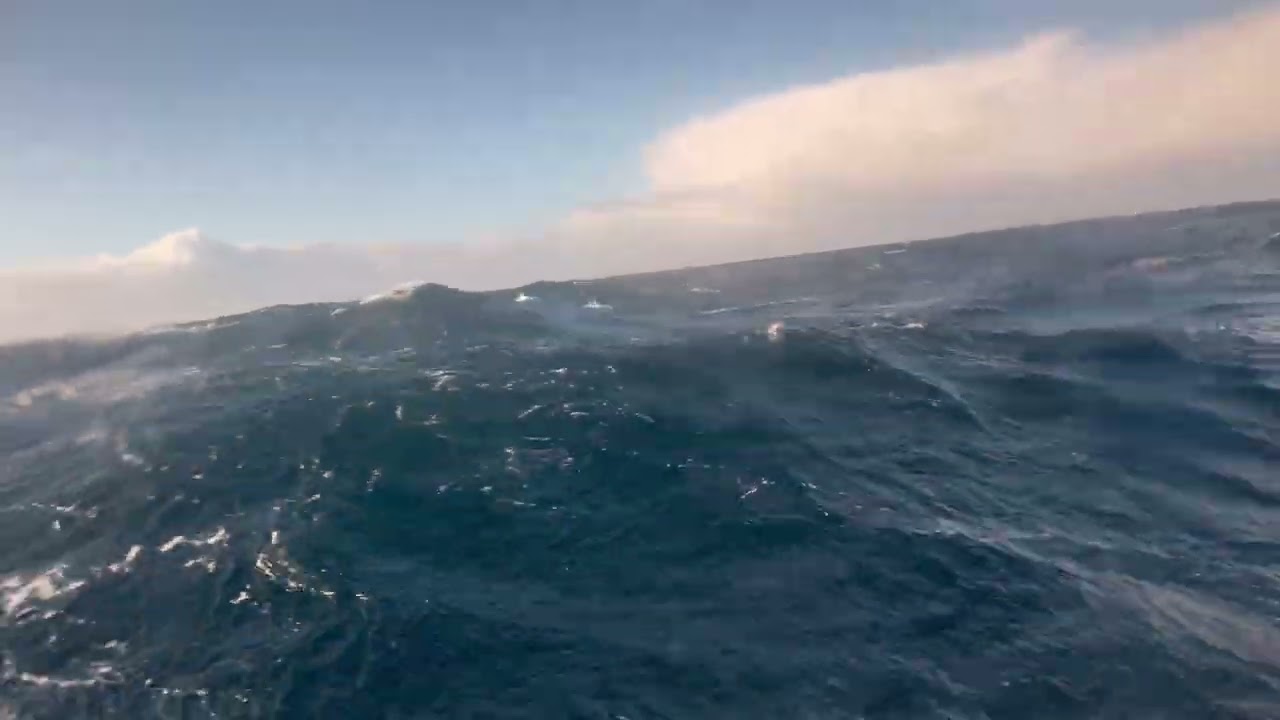

Da Lucky Pete Sailing AQUALIBRA — guarda la barca, l'equipaggio e ogni video analizzato del canale.
The Sailing Directory Newsletter
Una email con le migliori scoperte della flotta — i momenti, le barche e le storie che meritano il tuo tempo di visione. Inserisci il tuo indirizzo per riceverne una copia.