The Marinervideo
Protect Yourself - Learn How to Stop Safely at Sea in Heavy Weather
24 aprile 2026 · 18 min · 25K visualizzazioni · 500 miles offshore
Sailing vessel heeling sharply in heavy seas, water spraying
Cosa tratta questo video
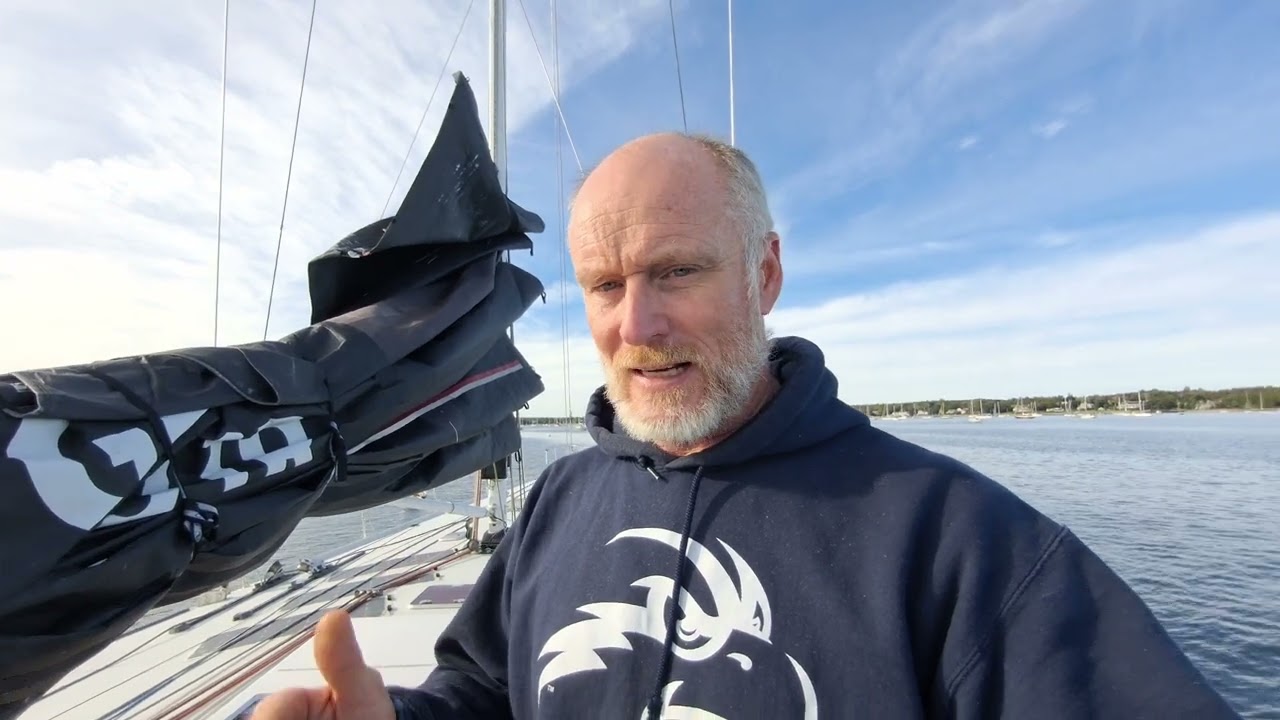
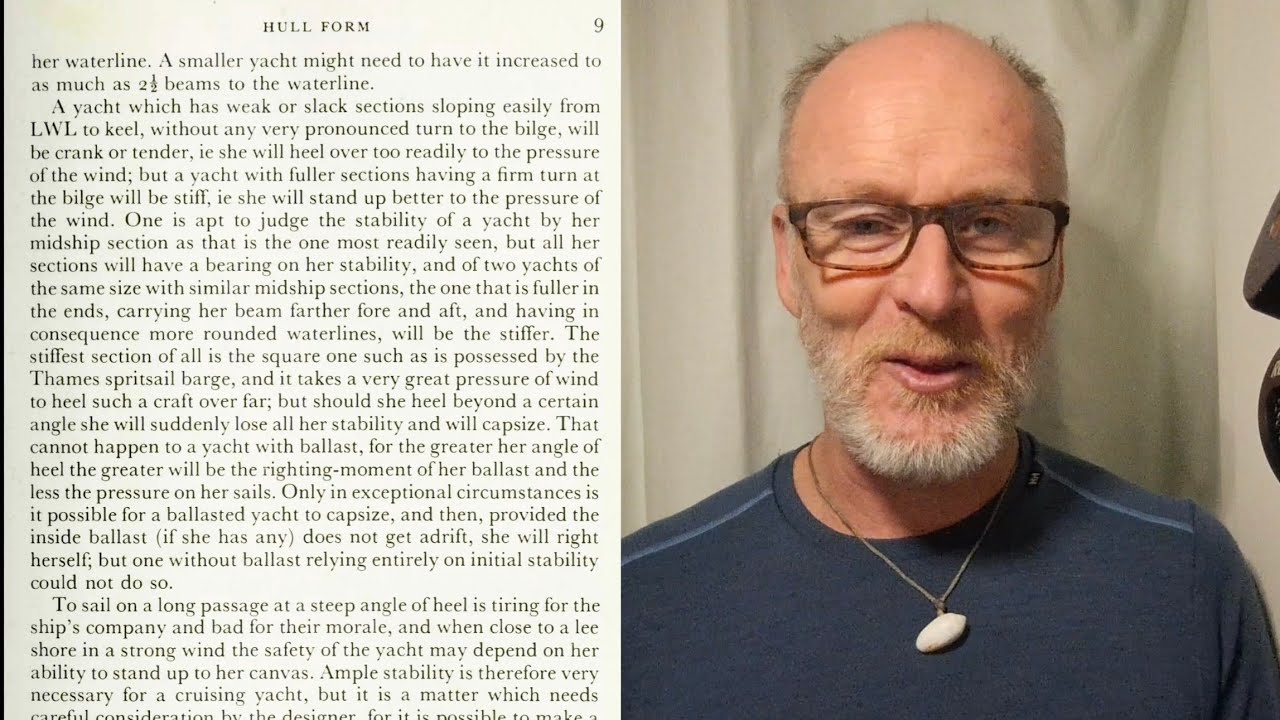
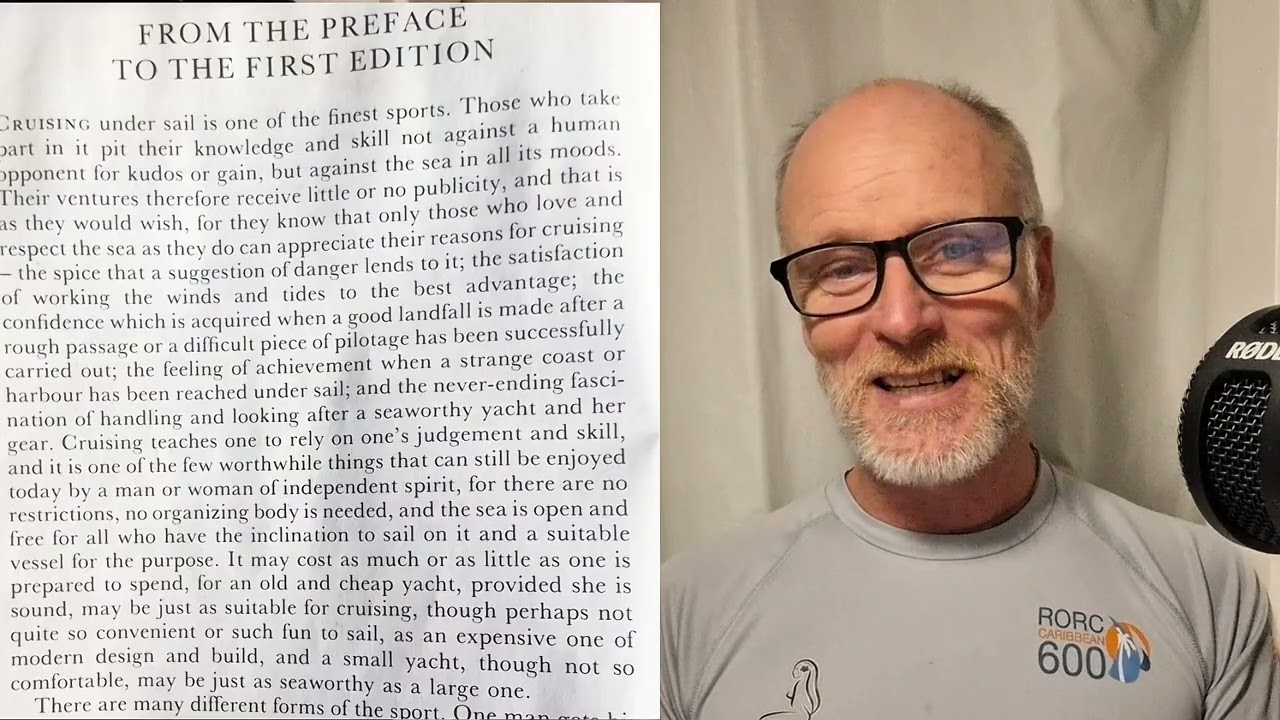
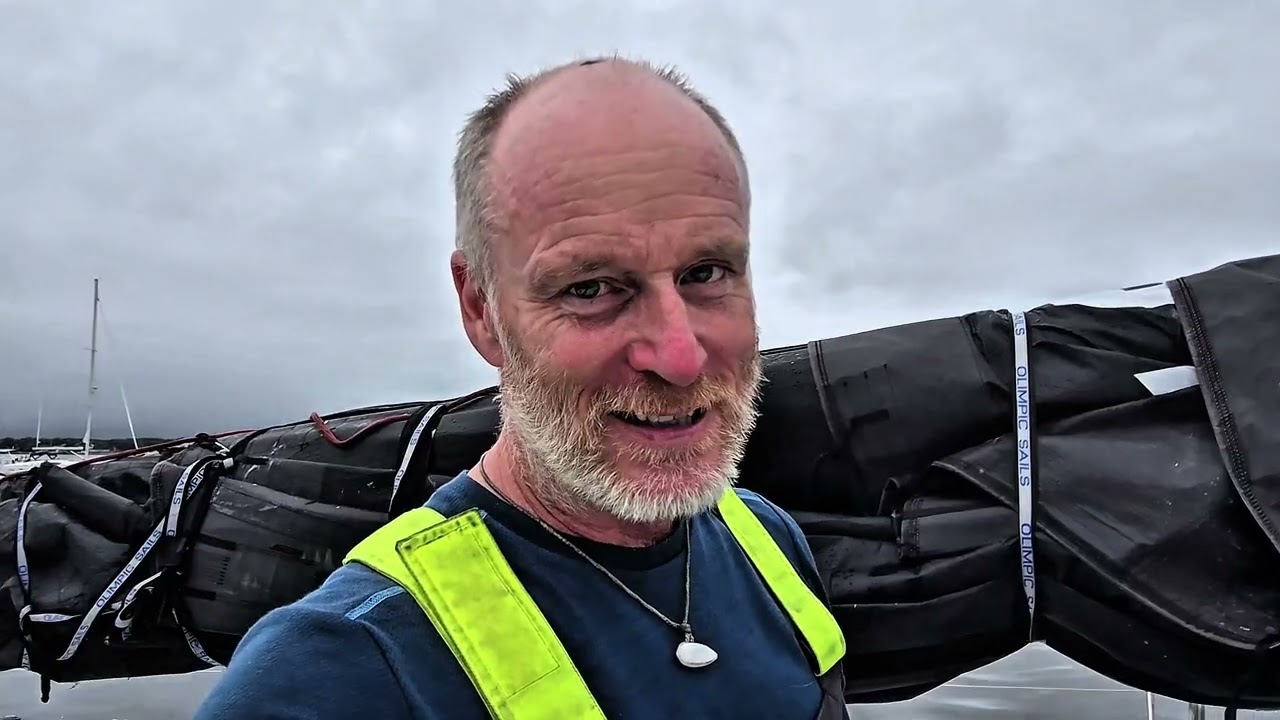
Lying ahull 500 miles offshore in 50 knots, Chris explains why he chose that configuration over heaving-to on his 80-foot, 12,500-kilogram late-1990s round-the-world race boat after a bomb low opened ahead of his planned route home.1:57 A damaged mainsail with two broken snap battens and a displaced batten contributed to the decision, but he argues the choice is correct regardless: at 40–50 knots, bare rigging generates enough windage to act as a sail, and adding canvas increases forces without improving safety.2:25 He distinguishes heaving-to — appropriate in lighter conditions using a backed jib, reefed main, and stalled rudder to create a leaf-falling balance — from lying ahull, which exploits the boat's hull dynamics to shed wave energy.14:01 Drawing on *Heavy Weather Sailing* by Adlard Coles and the Wolfson unit research, he explains how a breaking wave face one-third the beam of a traditional vessel carries enough kinetic energy to roll it, and how keel geometry determines vulnerability.5:21 He contrasts his thin-keel, high-rocker hull with full-keel Colin Archer designs suited to drogues and sea anchors, and cites Skip Novak's Pelagic Australis as an example of a large vessel where drogue forces would be unmanageable.13:43 Mooring loads for the same boat in Nova Scotia — two 5,000-pound concrete sinkers, 180 feet of 1-inch chain, and Dyneema pennants — illustrate the scale of forces involved.4:21 Boat design, not a single universal technique, determines the correct heavy-weather stopping strategy.16:37
Altro da The Mariner

Da The Mariner — guarda la barca, l'equipaggio e ogni video analizzato del canale.
The Sailing Directory Newsletter
Una email con le migliori scoperte della flotta — i momenti, le barche e le storie che meritano il tuo tempo di visione. Inserisci il tuo indirizzo per riceverne una copia.