Yourbestsailvideo
The Backstay (part two)
October 3, 2023 · 10 min · 4K views
What this video covers
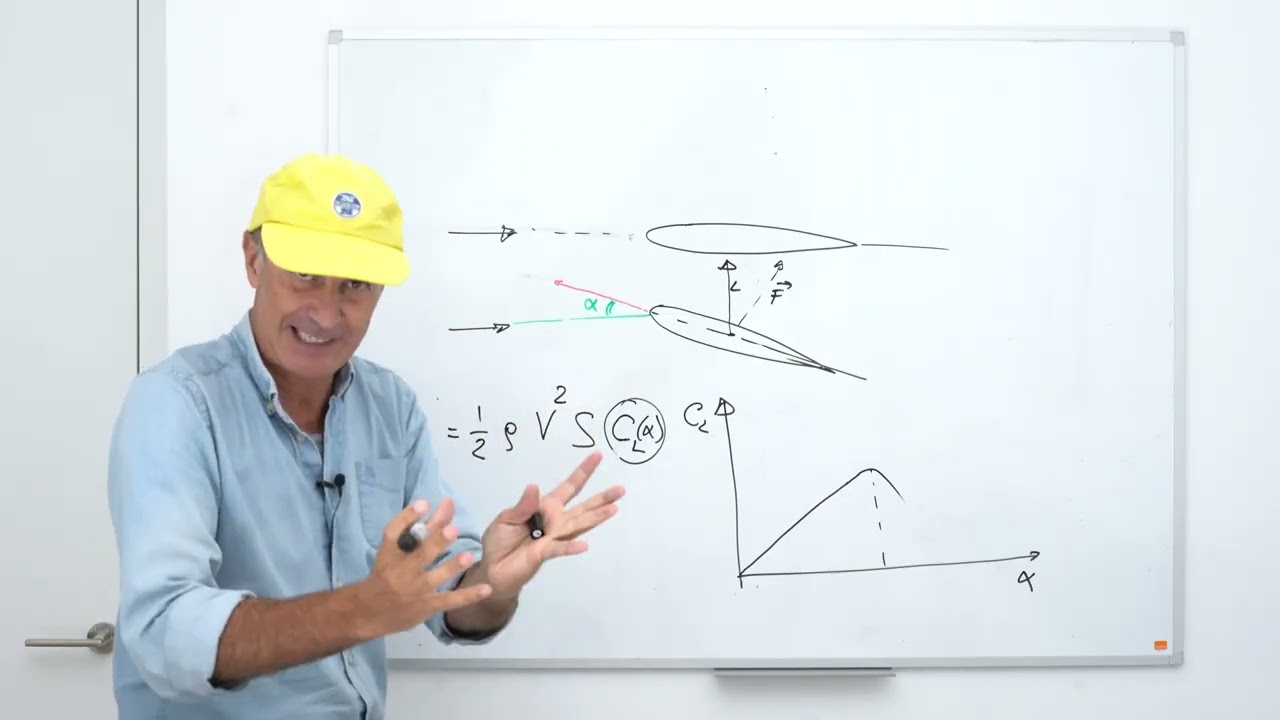
Backstay tensioning affects fractional and masthead rigs differently, and the distinction drives practical sail-trim decisions upwind.Watch On fractional rigs, tightening the backstay bends the mast, flattening the mainsail by increasing the distance between leech and luff — reducing power by lowering the lift coefficient.1:24 A secondary effect tightens the forestay, reducing headsail sag and flattening the genoa slightly.2:35 On masthead rigs, where forestay and backstay both reach the masthead, tensioning the backstay pulls directly on the forestay with a strong effect on genoa shape, but barely bends the mast and has almost no effect on the mainsail.3:57 A separate point covers mainsheet tension on fractional rigs: a hard-sheeted main pulls the masthead down via leech tension, bending the mast and flattening the sail — the same effect as backstay tension.5:00 In a gust, easing the traveler to leeward is more effective than easing the mainsheet, because easing the sheet reduces leech tension, allows the mast to straighten, and re-powers the main at the moment you want to depower it.5:07 Finally, keel-stepped masts flex more than deck-stepped masts, making them more responsive to rig tuning and preferred on racing boats, while deck-stepped masts suit cruising and offshore sailing despite their reduced tuning range.8:24
More from Yourbestsail

From Yourbestsail — see the channel’s boat, crew, and every analyzed video.
The Sailing Directory Newsletter
One email with the fleet's best finds — the moments, boats, and stories worth your watch time. Enter your own address to get your own copy.