Basic Parts of a Mobile, Marine or Off-Grid Electrical System
March 3, 2024 · 19 min · 25K views
What this video covers
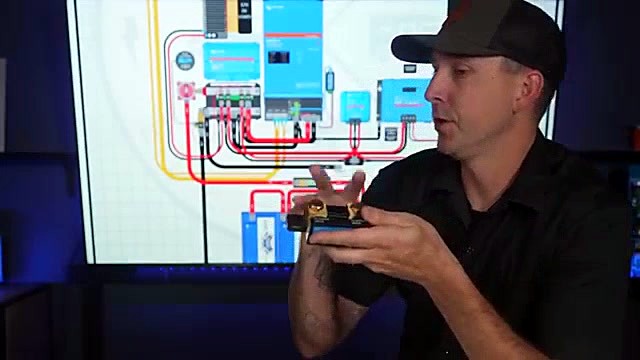
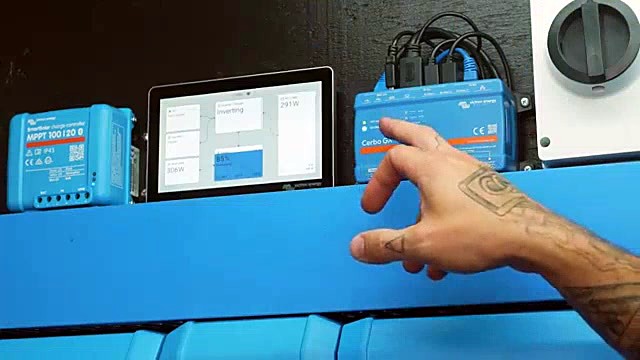
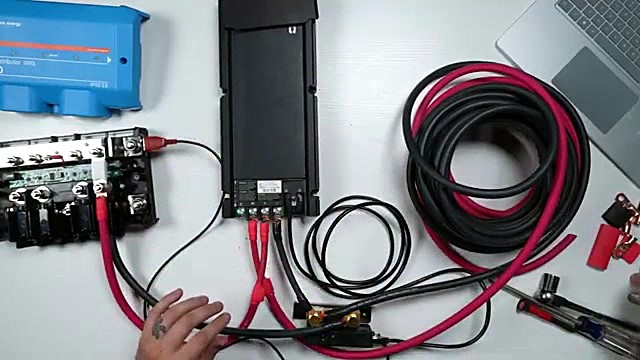
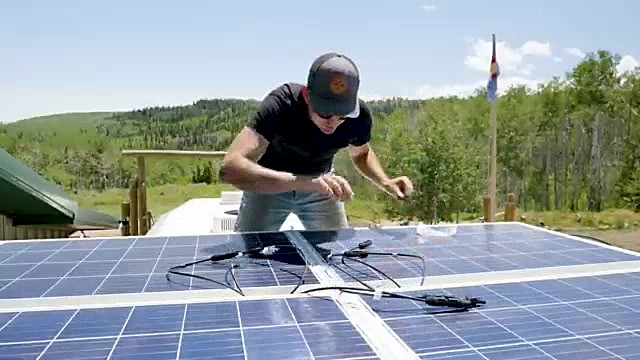
Mobile, marine, and off-grid electrical systems rely on a battery bank as the primary storage unit, which requires specific components for charging and power distribution. Solar panels convert sunlight into energy, while solar charge controllers regulate that power to prevent battery damage from voltage mismatches.2:16 Alternators charge house banks via DC-to-DC chargers or battery isolators, and shore power or generators provide AC input through battery chargers.5:23 Inverters convert stored DC power into AC for household appliances, while inverter-chargers combine these functions to streamline system design.10:15
Safety and distribution components include fuses and circuit breakers to prevent overcurrent, bus bars for managing high-amperage connections, and shunts to monitor battery state-of-charge.14:52 Wire terminals and heat-shrink tubing ensure secure, moisture-resistant connections.17:12 Systems using 24-volt or 48-volt battery banks require DC-to-DC converters to step down voltage for 12-volt appliances.12:22 Understanding these fundamental components and their specific roles is essential for designing, installing, and troubleshooting reliable off-grid power systems.
More from EXPLORIST life Mobile Marine & Off-Grid Electrical

From EXPLORIST life Mobile Marine & Off-Grid Electrical — see the channel’s boat, crew, and every analyzed video.
The Sailing Directory Newsletter
One email with the fleet's best finds — the moments, boats, and stories worth your watch time. Enter your own address to get your own copy.