Intro to Fuses and Breakers 101 - Fuses, Breakers, and Overcurrent Protection | Ep: 1/6
January 5, 2025 · 8 min · 14K views
What this video covers
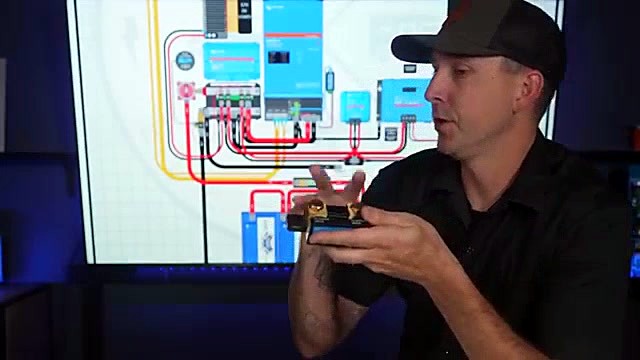
Overcurrent protection devices, including fuses and breakers, prevent electrical fires by disconnecting power when a circuit experiences a short circuit or an overload.1:22 A short circuit occurs when positive and negative wires contact directly, while an overload happens when a device draws more current than the wire gauge can safely handle.1:35 Fuses contain a small filament that melts when current exceeds the rated amperage, requiring replacement once tripped.3:05 Breakers utilize an internal mechanical switch that disconnects the circuit when heat levels rise, allowing for manual reset.4:05 Nate recommends using fuses for circuits with predictable current, such as charge controllers, and for low-load 12-volt DC branch circuits like lights and fans.5:57 Breakers are preferred for AC circuits where users might inadvertently overload the system by operating multiple high-power appliances simultaneously.6:30 Proper overcurrent protection safeguards the wiring within a system rather than the components themselves.1:00
More from EXPLORIST life Mobile Marine & Off-Grid Electrical


From EXPLORIST life Mobile Marine & Off-Grid Electrical — see the channel’s boat, crew, and every analyzed video.
The Sailing Directory Newsletter
One email with the fleet's best finds — the moments, boats, and stories worth your watch time. Enter your own address to get your own copy.