Top 20 Tips and Tricks to Avoid Electrocution! Beginners Please Watch
February 11, 2025 · 17 min · 87K views
What this video covers
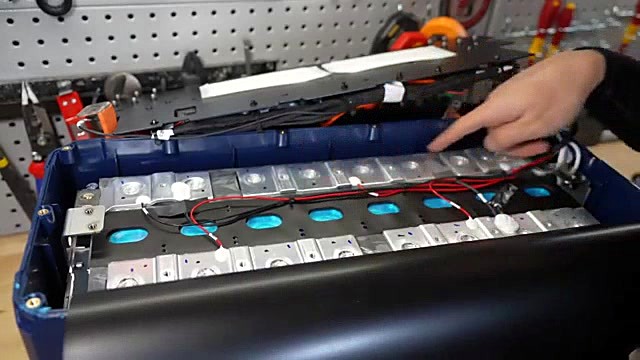
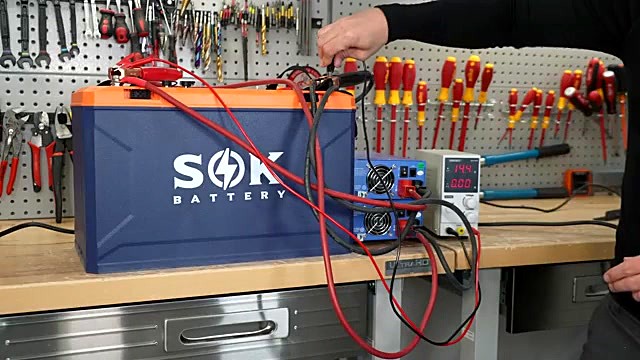
Electrical safety for solar installations requires strict adherence to protocols to prevent electrocution and arc flashes. Voltage, rather than amperage, determines whether current overcomes skin resistance to cause injury; OSHA and NEC classify any voltage exceeding 50 volts AC or DC as dangerous.1:12 When working with batteries or solar strings, always verify the absence of voltage using a multimeter before touching components.7:29 Because solar panels cannot be turned off, treat them as live batteries and use solar disconnects or perform maintenance at night to avoid creating dangerous arcs.11:13
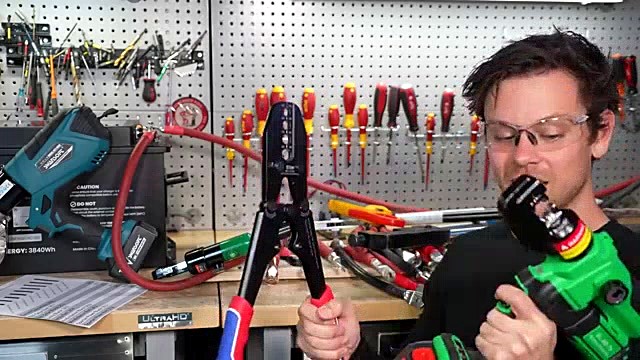
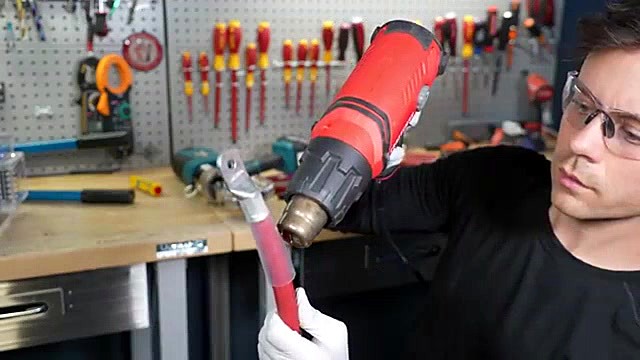
When handling electrical systems, use insulated tools to prevent short circuits and wear safety glasses with side protection to guard against debris.8:51 Maintain focus by avoiding distractions and never work while fatigued.9:27 Adopt the "one-hand rule"—keeping one hand in a pocket or behind the back—to prevent current from passing through the chest and heart if a shock occurs.4:10 If a system emits an unexplained buzzing sound, immediately de-energize the equipment and inspect for physical damage.9:55 Never become complacent, as arc flashes can occur even in residential panels, causing severe burns, blindness, and shrapnel injuries.6:24
More from DIY Solar Power with Will Prowse

From DIY Solar Power with Will Prowse — see the channel’s boat, crew, and every analyzed video.
The Sailing Directory Newsletter
One email with the fleet's best finds — the moments, boats, and stories worth your watch time. Enter your own address to get your own copy.