Yourbestsailvideo
Courses and Heeling
March 19, 2024 · 5 min · 3K views
What this video covers
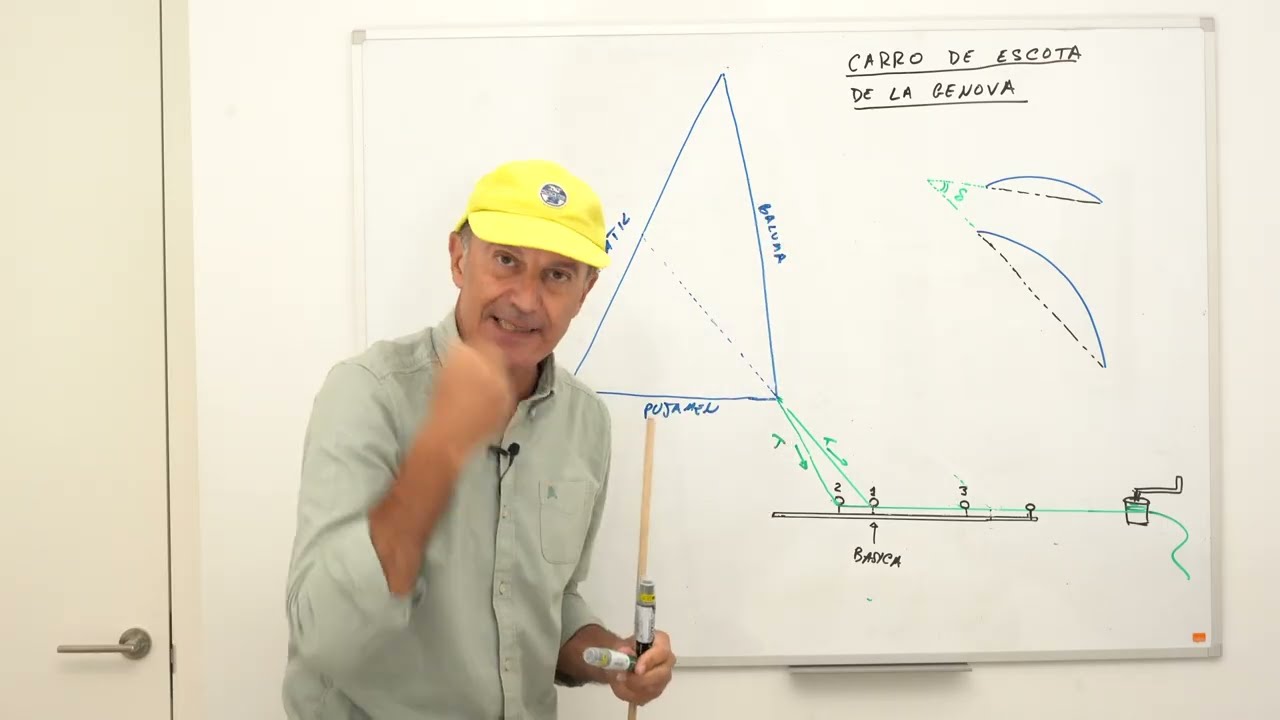
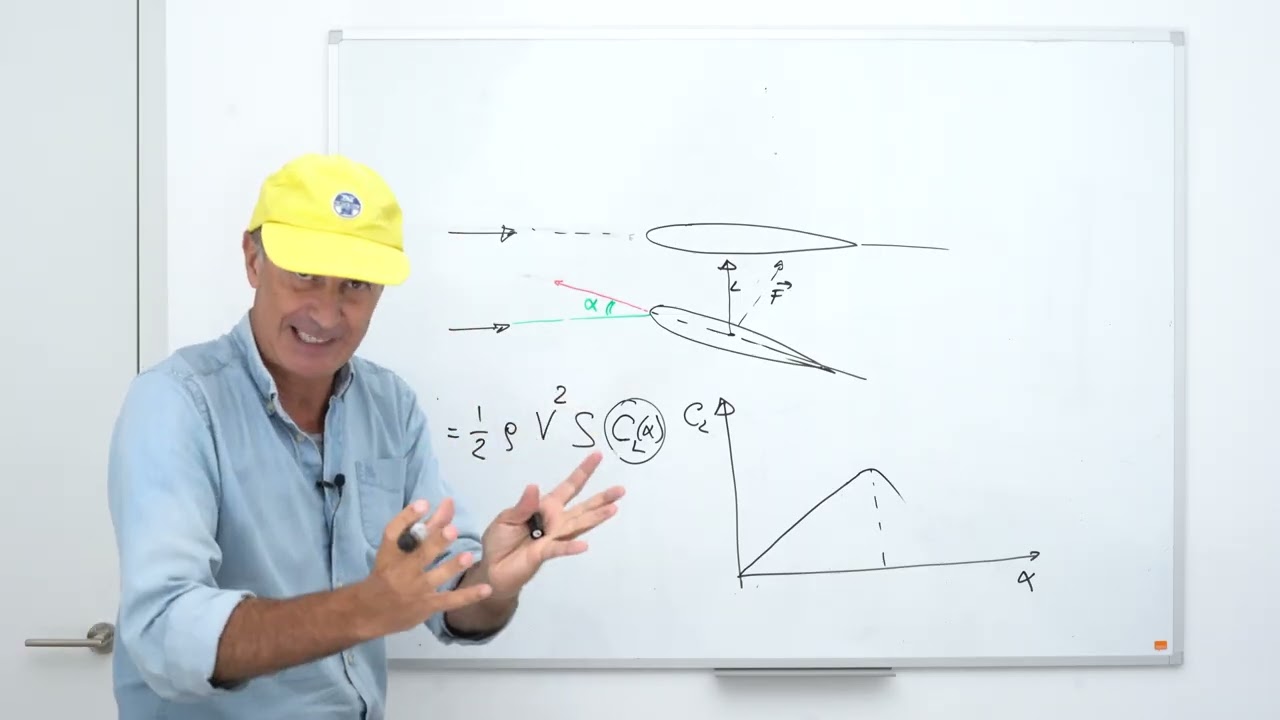
A sail's total aerodynamic force acts perpendicular to the sail's chord — the imaginary line connecting the luff to the leech — and that orientation determines how much of the force drives the boat forward versus heeling it.1:23 Close-hauled, the sails are sheeted hard in, placing the chord nearly parallel to the centerline.1:46 Decomposing the total force into its heel component (perpendicular to the centerline) and its drive component (along it) shows that almost all the force produces heel and almost none produces drive.2:31 As the boat bears away from close-hauled toward a beam reach and then a broad reach, the chord rotates, the drive component grows, and the heel component shrinks.3:14 The drive component peaks on a broad reach.3:27 An additional factor reinforces the close-hauled case: apparent wind is strongest on that point of sail because the boat's forward motion adds to the true wind, making the total aerodynamic force larger close-hauled than on any other heading.4:01 Maximum heel therefore occurs close-hauled, not on a beam reach as commonly assumed.5:23
More from Yourbestsail

From Yourbestsail — see the channel’s boat, crew, and every analyzed video.
The Sailing Directory Newsletter
One email with the fleet's best finds — the moments, boats, and stories worth your watch time. Enter your own address to get your own copy.