MJ Sailingvídeo
We Almost Cooked Our Electrical System… So We Fixed It (MJ Sailing - Episode 375)
25 de abril de 2026 · 24 min · 29K visitas
Qué cubre este vídeo
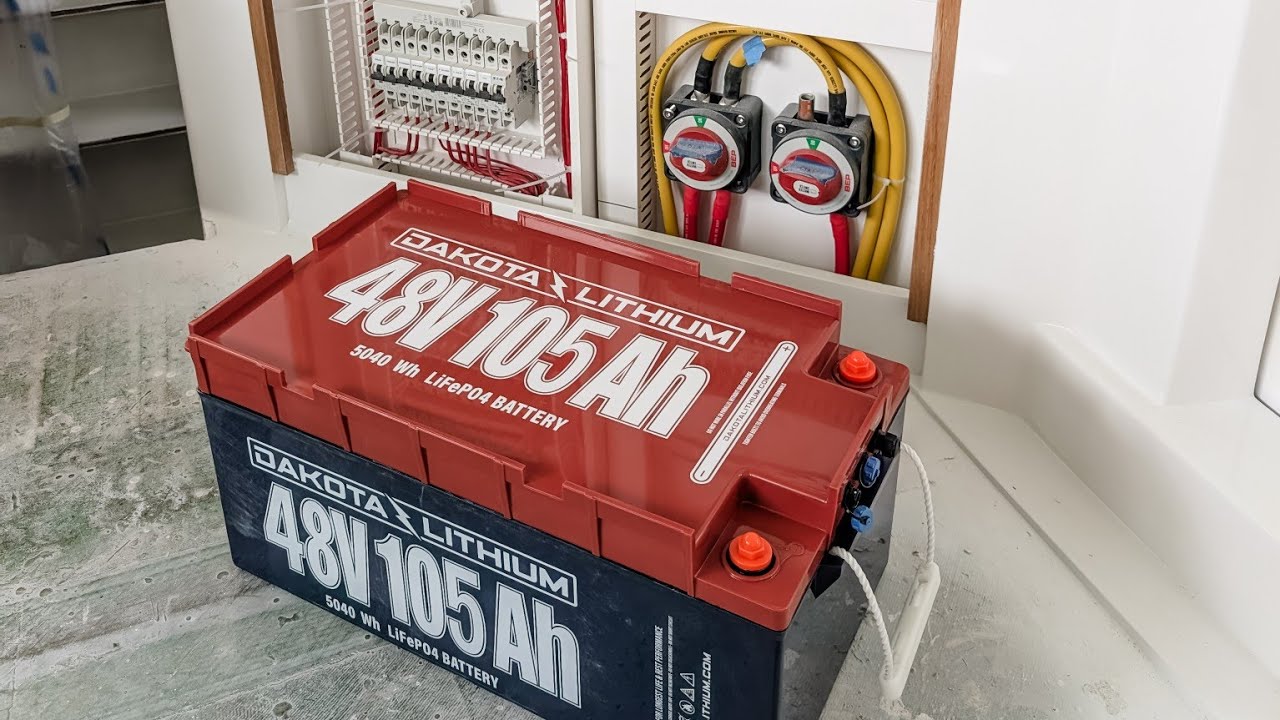
Matt and Jessica are building a catamaran with a 48-volt electrical system and are designing the DC electrical cabinet to prevent overheating. The cabinet will house Victron DC-to-DC controllers, MPPT solar charge controllers, a Cerbo GX, battery protects, and motor controllers for the hybrid electric drive.0:32 Victron has not yet released a more efficient 48-volt DC-to-DC controller, so the existing units — known to run hot — must be managed carefully.1:13 Matt mounts all controllers on ¾-inch aluminum spacers to improve airflow behind them, maintains more than the Victron-recommended 100 mm minimum spacing between units, and positions lower-heat controllers (winch battery, electronics) at the bottom while higher-load controllers (lights, toilets, shower sumps) sit near the top where active thermostat-controlled exhaust fans will pull air out.1:58 To supply intake air, Matt eliminates a planned interior door on the owner's berth electrical closet, replacing it with a vented sliding door.8:59 Each hybrid motor controller is mounted in a dedicated cubby with glassed-in tabs, open-backed for ventilation, and removable for wire-running access.11:03 A separate seawater cooling loop — with its own strainer, pump, and heat exchanger — serves the hybrid motors independently of the air conditioning through-hull.15:53 An Airlock marine air purification unit is also installed on each air conditioner to control mold and mildew.6:41 Proper heat management in a dense Victron DC cabinet requires active ventilation, strategic controller placement by load, and physical spacing beyond the manufacturer minimum.
Destacado en las guías de la flota
Más de MJ Sailing


De MJ Sailing — mira el barco del canal, la tripulación y cada vídeo analizado.
The Sailing Directory Newsletter
Un correo electrónico con los mejores hallazgos de la flota: los momentos, barcos e historias que merecen tu tiempo de visionado. Introduce tu dirección para recibir tu propia copia.