Yourbestsailvideo
Points of sail and heeling: part two.
28. mars 2024 · 13 min · 2K visninger
Hva denne videoen dekker
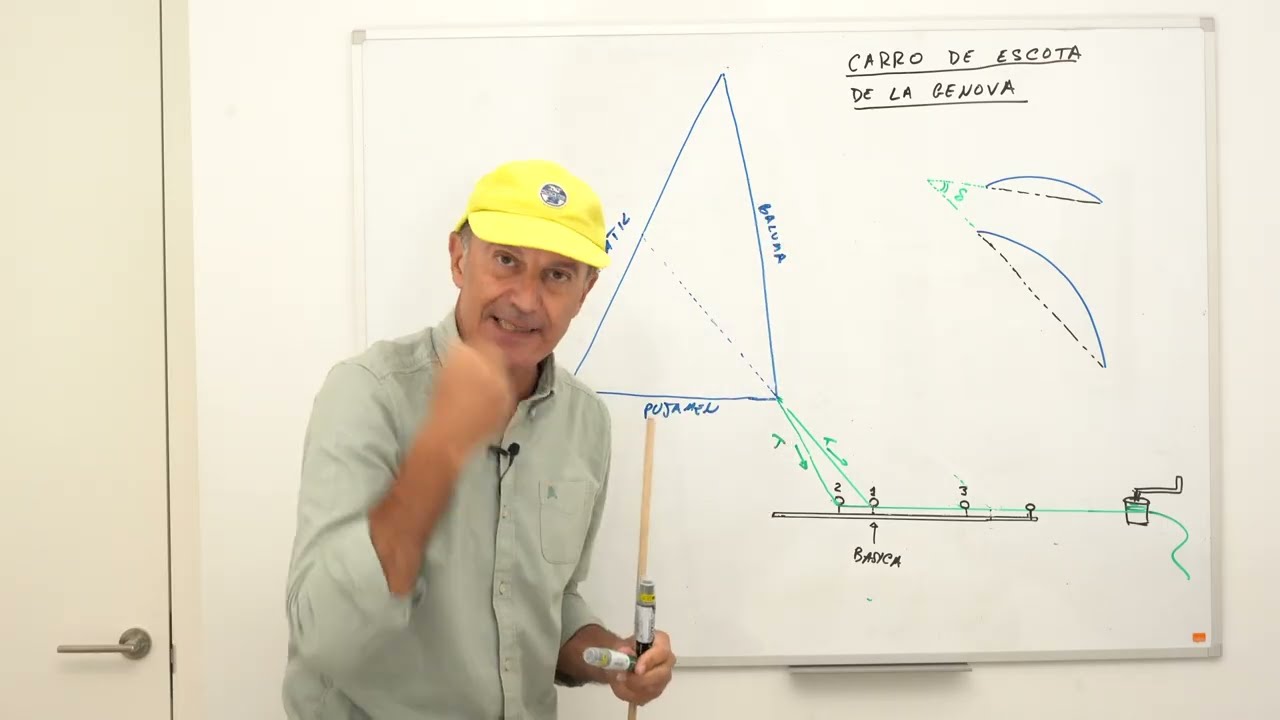
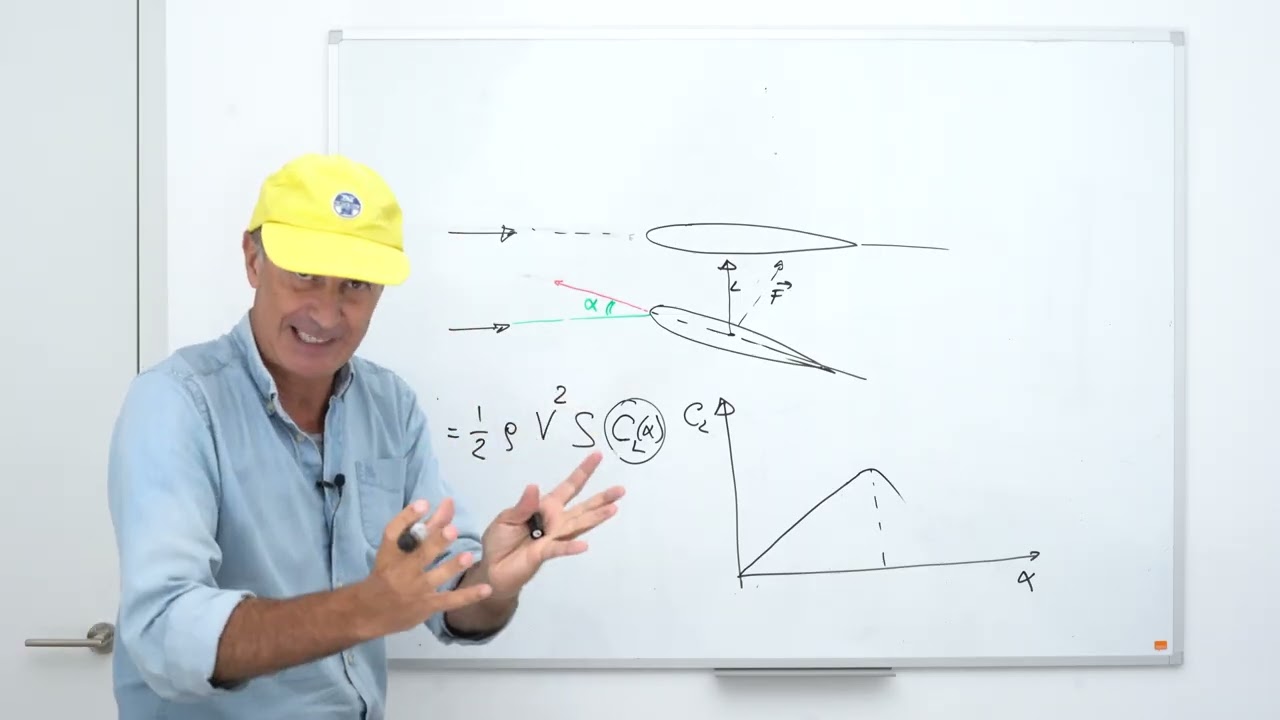
Heeling increases when a sailboat bears away from a close-hauled course while maintaining the same sail trim.10:38 This phenomenon occurs because the angle of attack between the wind and the sail chord increases, raising the lift coefficient until the sail reaches a stall point, typically between 20 and 25 degrees.5:46 Beyond this angle, the airflow over the sail becomes turbulent, lift collapses, and the sail functions primarily through drag.6:33 While bearing away initially increases heeling, the total force on the sail eventually drops once the sail stalls.10:49 Conversely, luffing up into the wind from an optimal close-hauled trim reduces the angle of attack, effectively decreasing heeling.11:37 This technique serves as a primary method for managing sudden gusts, particularly on light-displacement sailboats, though it may cause the sails to luff or flap.11:26 Understanding the relationship between the angle of attack, lift, and drag coefficients explains why sail trim must be adjusted when changing points of sail to maintain efficiency and control heel.11:27
Mer fra Yourbestsail

Fra Yourbestsail – se kanalens båt, mannskap og alle analyserte videoer.
The Sailing Directory Newsletter
Én e-post med flåtens beste funn – øyeblikkene, båtene og historiene som er verdt din seertid. Skriv inn din egen adresse for å få din egen kopi.