How to sail in any direction: Points of Sail Explained ⛵
May 9, 2026 · 9 min · 295 views · Soverato
What this video covers
Sailors must trim sails based on apparent wind—the vector sum of true wind and the wind generated by the boat's own forward motion—rather than true wind.1:17 Modern cruising yachts typically face a 70-to-90-degree "no-go zone" where they cannot sail directly into the wind.2:46 When sailing close-hauled (close hold), excessive pinching stalls the sails and reduces speed; bearing away 10 to 15 degrees often improves VMG by increasing boat speed.4:46 On a beam reach (beam reach), excessive weather helm should be corrected by easing the mainsail sheet rather than applying heavy rudder, which acts as a brake.6:26 When sailing downwind, moving the jib lead (jib lead) forward helps maintain sail shape by closing the leech.6:46 In running downwind (running downwind) conditions, particularly when sailing wing-on-wing, a preventer is essential to secure the boom and prevent accidental gybes.7:56 Zigzagging downwind at broader angles often yields higher VMG than sailing dead downwind, as it increases apparent wind speed.8:56
More from riccardo mainardi istruttore Sailing the Gulf
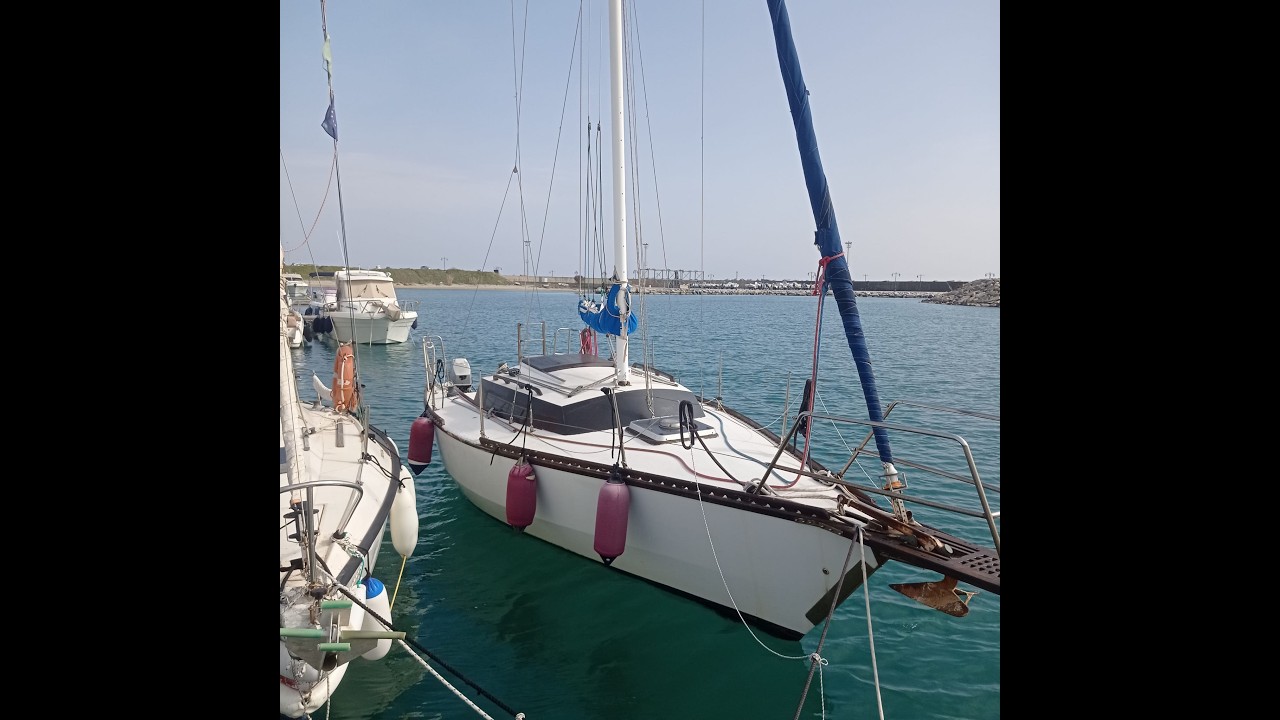



From riccardo mainardi istruttore Sailing the Gulf — see the channel’s boat, crew, and every analyzed video.
The Sailing Directory Newsletter
One email with the fleet's best finds — the moments, boats, and stories worth your watch time. Enter your own address to get your own copy.