Living For Sailvideo
⛵ Mira esto ANTES de quitar placas de cadena ENCAPSULADAS
25 de enero de 2026 · 34 min · 22K vistas · Bellingham Marina
¿Qué cubre este video?
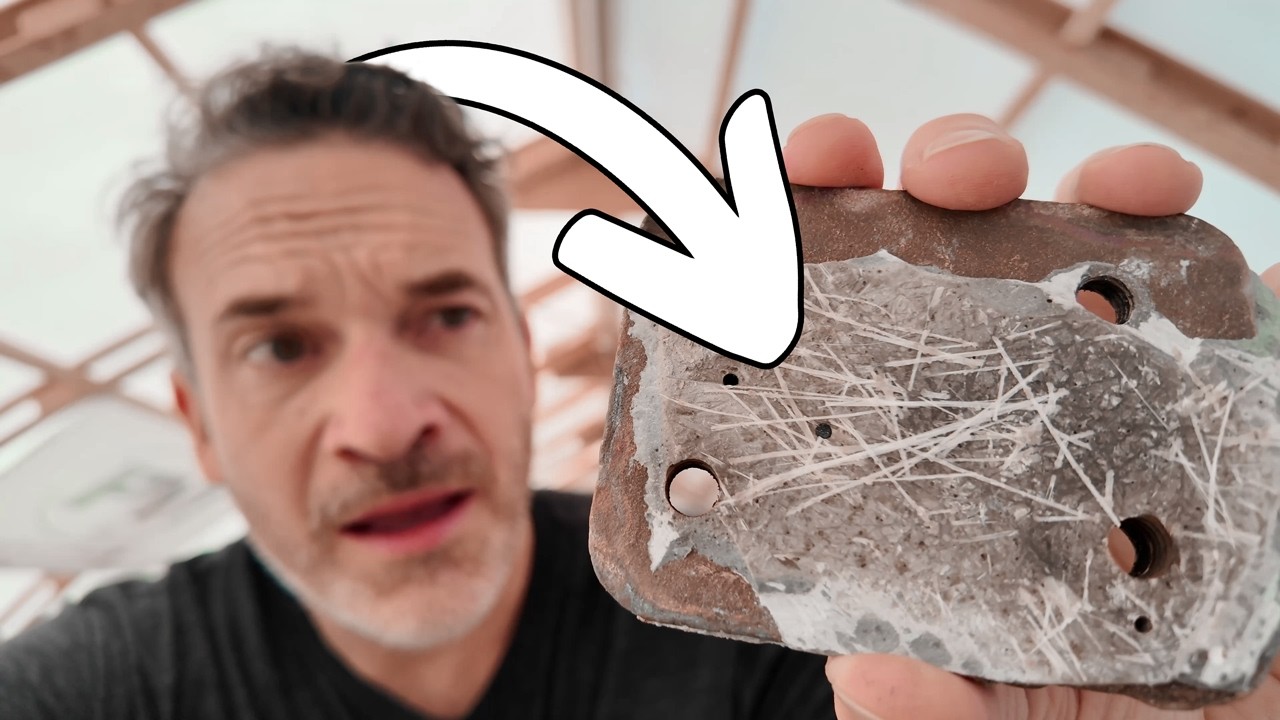
Un Liberty 458 de 1989 llamado Antidote, que se somete a una restauración completa en una entrada de vehículos en Columbia Británica, tiene placas de cadena encapsuladas (soldadas internamente) de 35 a 36 años de antigüedad, superando el intervalo de servicio de 20 a 25 años que los expertos recomiendan para las placas de acero inoxidable.7:25 John analiza tres configuraciones de placas de cadena encontradas en barcos de fibra de vidrio en Bellingham Marina: placas internas a través de la cubierta (aproximadamente el 90% de los barcos encuestados), placas atornilladas externamente al costado del casco (~8%) y placas internas totalmente encapsuladas (raras, encontradas en Antidote e Island Packets).3:16 Explica las ventajas y desventajas: las placas a través de la cubierta permiten un ajuste más ceñido de la vela de proa pero tienen fugas en la ranura de la cubierta; las placas externas se sellan más fácilmente pero empujan los obenques hacia afuera; las placas encapsuladas eliminan las penetraciones en la cubierta pero fallan catastróficamente y son difíciles de quitar.1:58 En Antidote, cuatro placas de cadena por lado están soldadas juntas a través de un mamparo en lugar de instalarse individualmente, lo que complica la extracción.24:08 John retira una placa de estribor delantera, la encuentra intacta y utiliza una cámara térmica FLIR para intentar localizar los elementos de soldadura horizontales detrás de la fibra de vidrio.24:38 También señala una grave preocupación de seguridad: el adhesivo utilizado en los paneles interiores puede contener asbesto, ya que los astilleros taiwaneses supuestamente utilizaron asbesto en materiales de construcción hasta la década de 2010, y recomienda realizar pruebas antes de cortar.21:45 La solución planificada es convertir todas las placas de cadena en placas externas montadas en el casco, utilizando las placas encapsuladas originales como respaldo.32:44 Una placa intacta después de 35 años no confirma que las demás sean seguras.
Barcos en este video
Más de Living For Sail

De Living For Sail — ve el barco, la tripulación y cada video analizado del canal.
The Sailing Directory Newsletter
Un correo electrónico con los mejores hallazgos de la flota: los momentos, barcos e historias que valen tu tiempo de visualización. Ingresa tu propia dirección para obtener tu propia copia.