SailingAlonevideo
Sailing gale. How? Technical and navigational issues
6 June 2026 · 11 min · 323K views · Pazifischer Ozean
Reikia slices through storm waves under gray sky
What this video covers
Sailing solo in 28–47 knots (Force 7–9) requires systematic preparation before the gale arrives, because once it hits, options narrow fast.1:07 The skipper of Raikja, a 10-meter waterline sloop, covers two phases: pre-gale preparation and in-gale sail management across all points of sail.0:57
Pre-gale preparation includes cooking food in advance, charging batteries fully (the wind generator cuts out at 30 knots), charging handheld radio, satellite phone, and power banks, lashing the dinghy, checking furling lines run freely, and securing the anchor against banging.2:14 Square Tupperware with lids replaces round dishes that fly over fiddles.1:49 Anti-seasickness suppositories are kept ready for when pills can no longer be swallowed.2:44
On tactics: gusts, not forecast averages, determine reef depth.4:30 Wave period matters as much as height — 4-meter breaking waves can capsize Raikja by the 40%-of-waterline formula.5:09 Close-hauled is the most punishing point of sail; bearing away 10 degrees can transform the motion.5:46 Broad reaching demands an electric autopilot during squalls because a windvane cannot hold course.7:50 Downwind sailing requires a boom preventer to prevent accidental jibes, the leading cause of onboard accidents.9:21 Above 35 knots, Raikja heaves to with only a reefed mainsail and full rudder to windward, reducing drift to 1.5 knots.10:12 A Jordan Series Drogue is carried for Force 10 survival conditions.11:33
More from SailingAlone
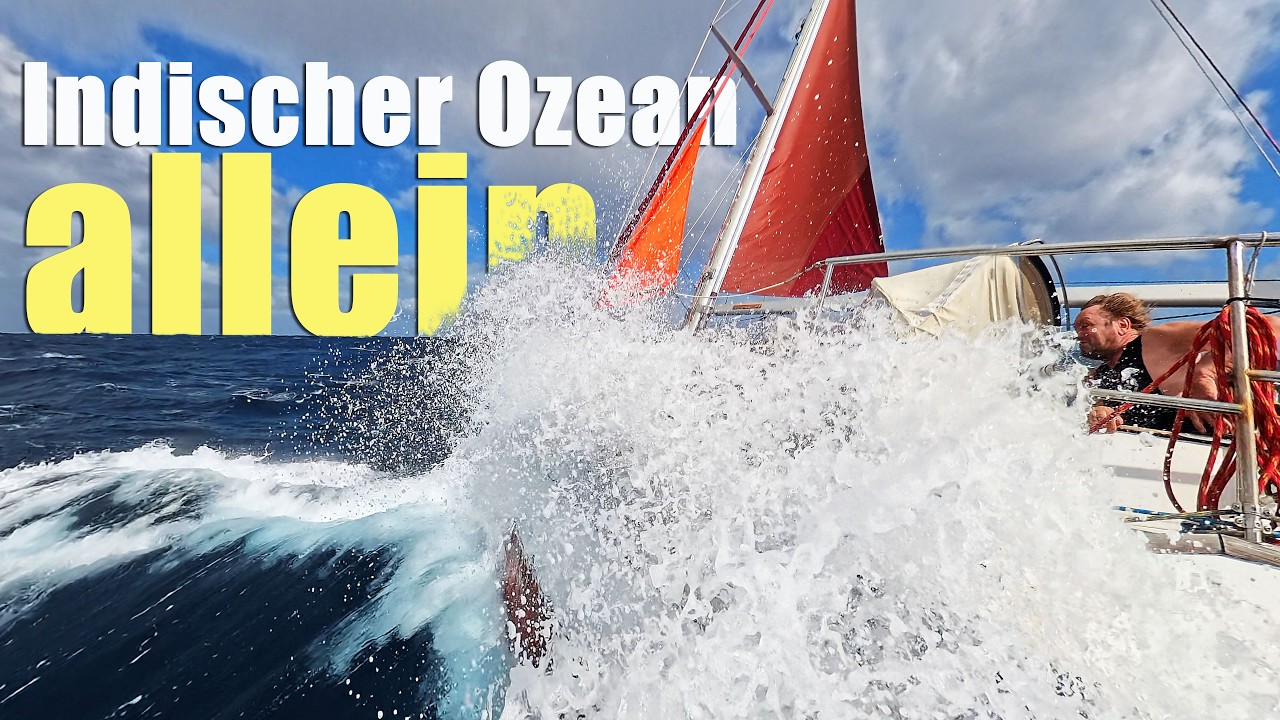
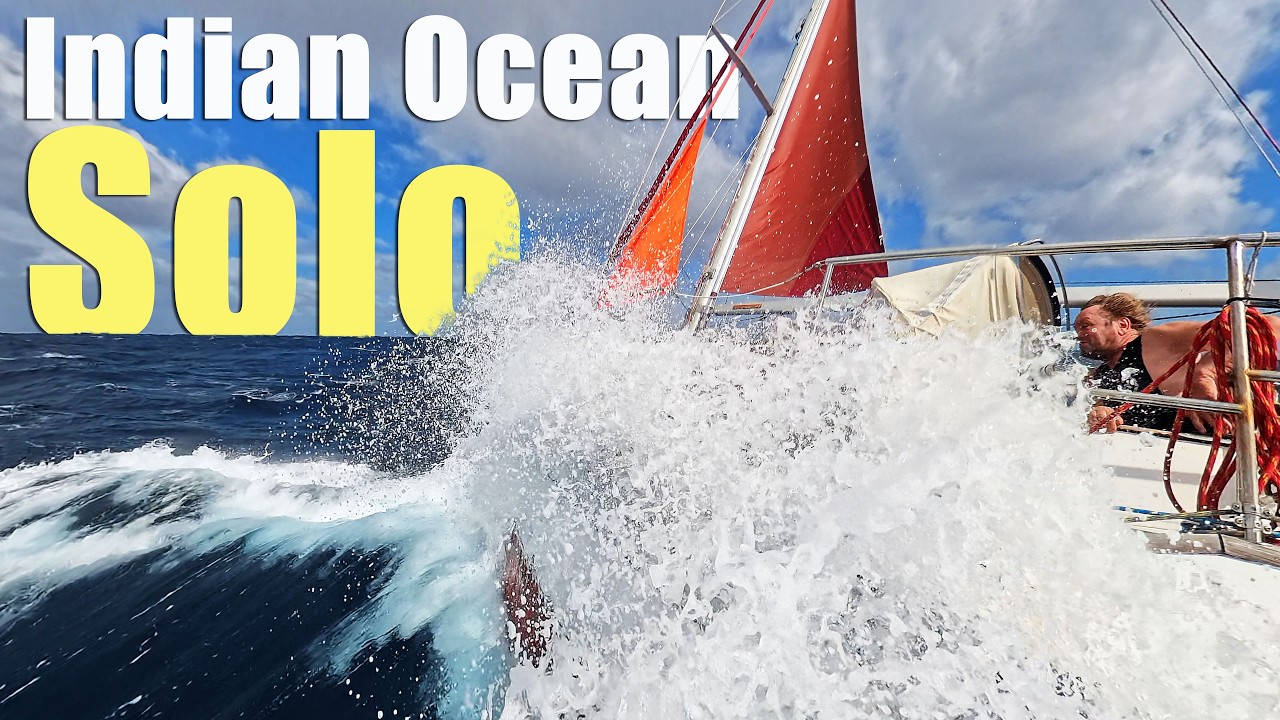
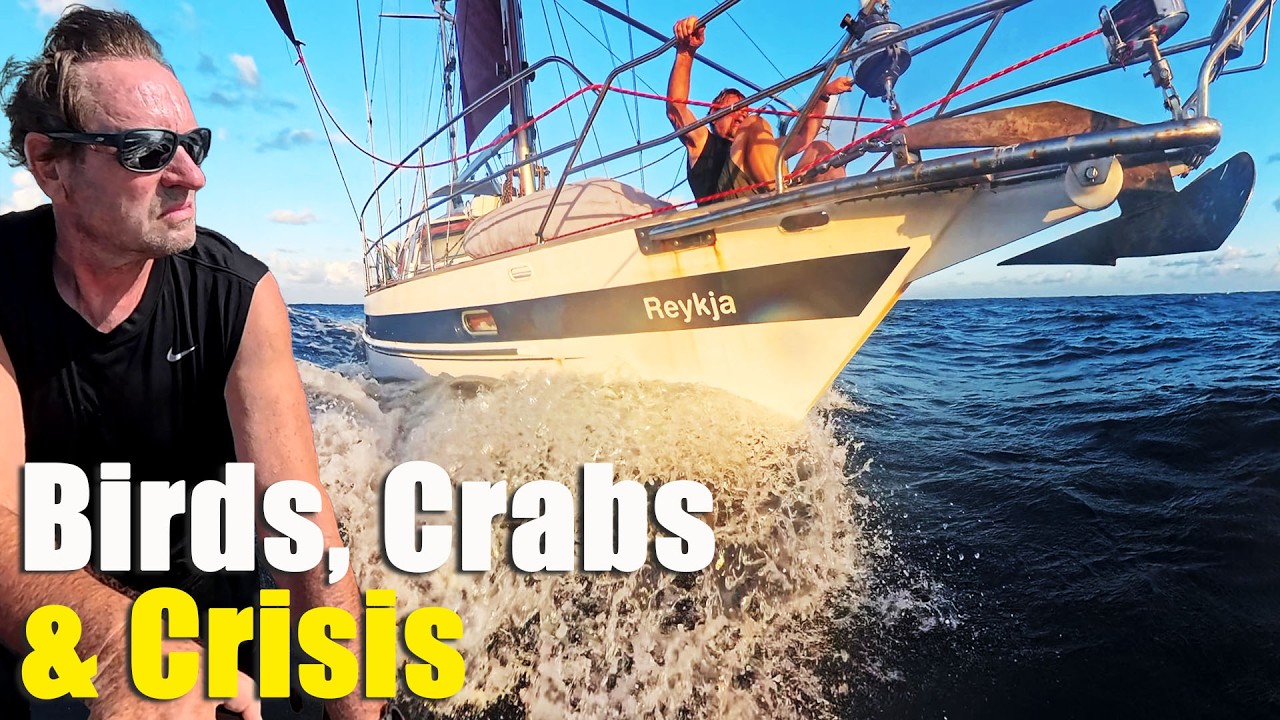
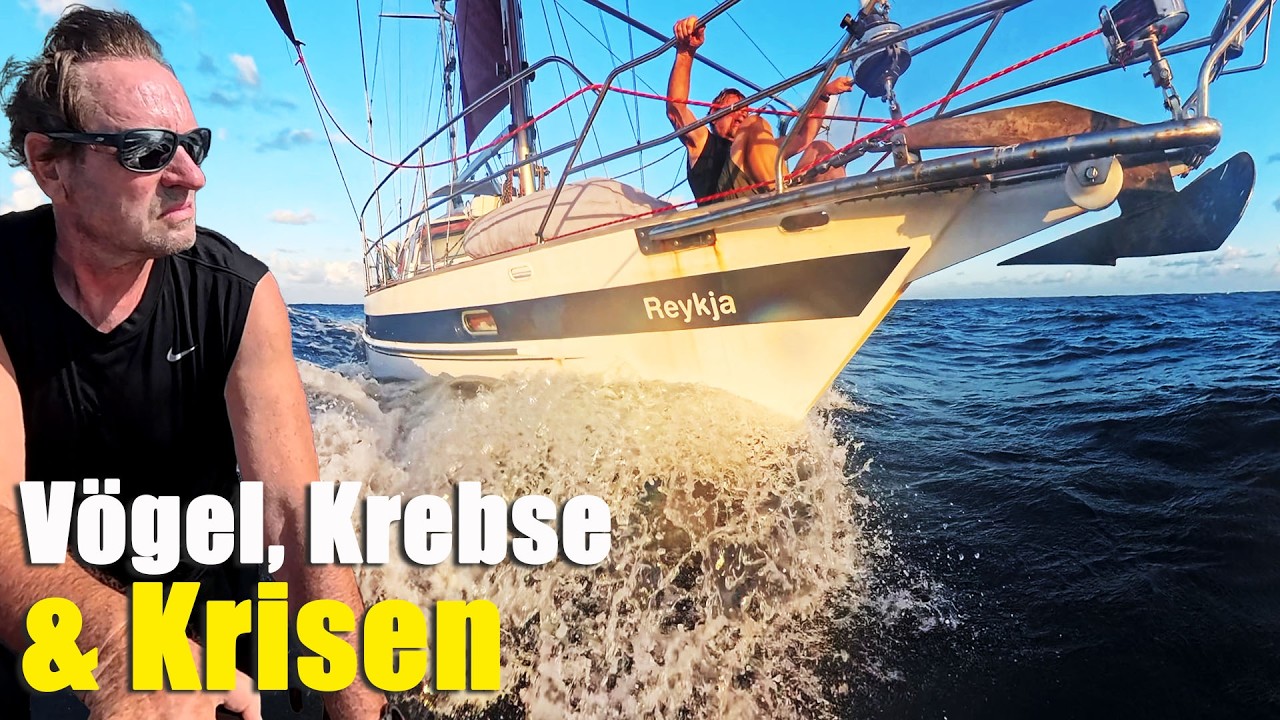

From SailingAlone — see the channel’s boat, crew, and every analysed video.
The Sailing Directory Newsletter
One email with the fleet's best finds — the moments, boats, and stories worth your watch time. Enter your own address to get your own copy.