The Wiring Mistake That Melts Boat Cables (And How to Avoid It) - PYS Tech Talk
7 July 2026 · 5 min · 3K views
What this video covers
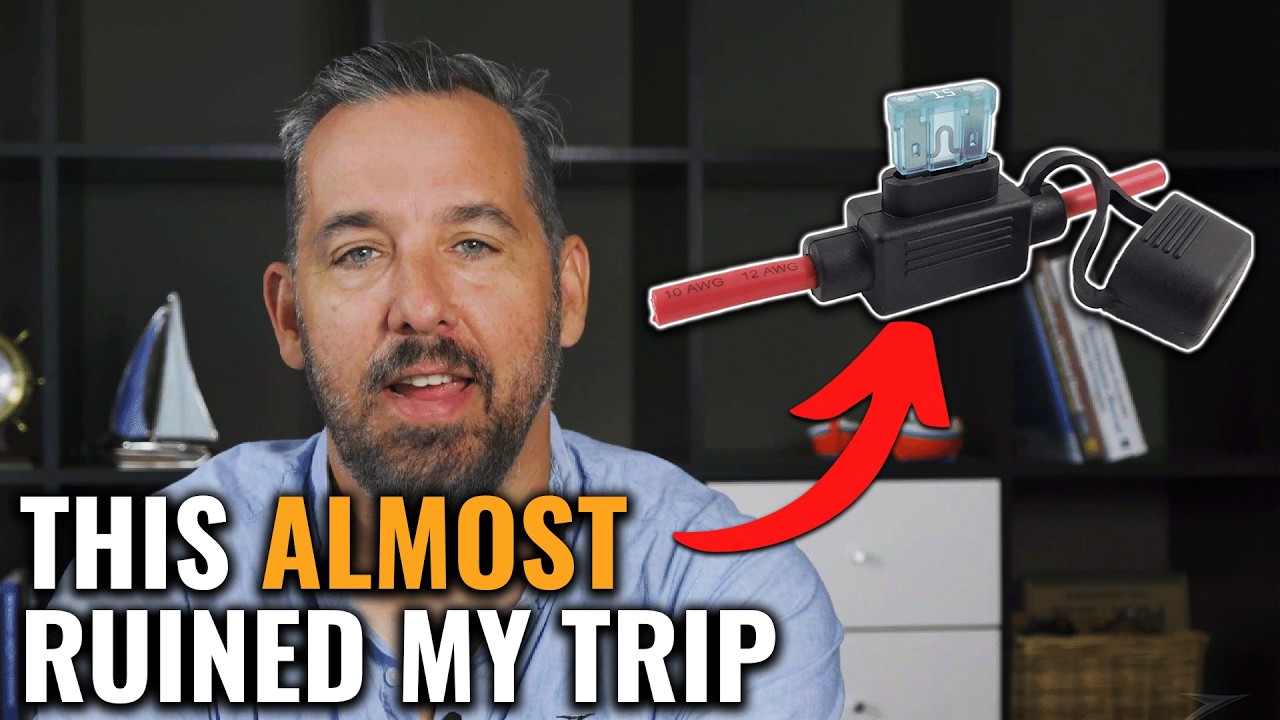
Electrical fires on boats start almost exclusively from two wiring mistakes: incorrect fuse sizing and undersized wire for the actual load. Jeff Cote of Pacific Yacht Systems explains that every circuit must be fused at the source — not just at the appliance — and that the fuse rating must match the wire and the device it protects.2:13 A circuit breaker rated at five amps protecting a two-amp fan still requires a separate two-amp fuse ahead of the fan.2:42 The most common real-world failure he describes is upgrading an appliance without upgrading the wire: a 1,000-watt inverter replaced by a 2,000-watt unit on the original cable caused the cable jacket to melt.3:22 Marine-grade wiring is also mandatory; welding wire and other non-marine cable degrade when exposed to fuel or oil.3:43 The only circuit exempt from fusing requirements is the engine starter.4:07 Cote notes that fires rarely happen at the dock, making prevention critical since escaping a burning boat at night means entering the water.4:19 Following correct fuse sizing and wire gauge for every circuit eliminates virtually all risk of electrical fire.
More from Pacific Yacht Systems

From Pacific Yacht Systems — see the channel’s boat, crew, and every analysed video.
The Sailing Directory Newsletter
One email with the fleet's best finds — the moments, boats, and stories worth your watch time. Enter your own address to get your own copy.