Yourbestsailvideo
The counter and the balance
13 February 2026 · 12 min · 3K views
What this video covers
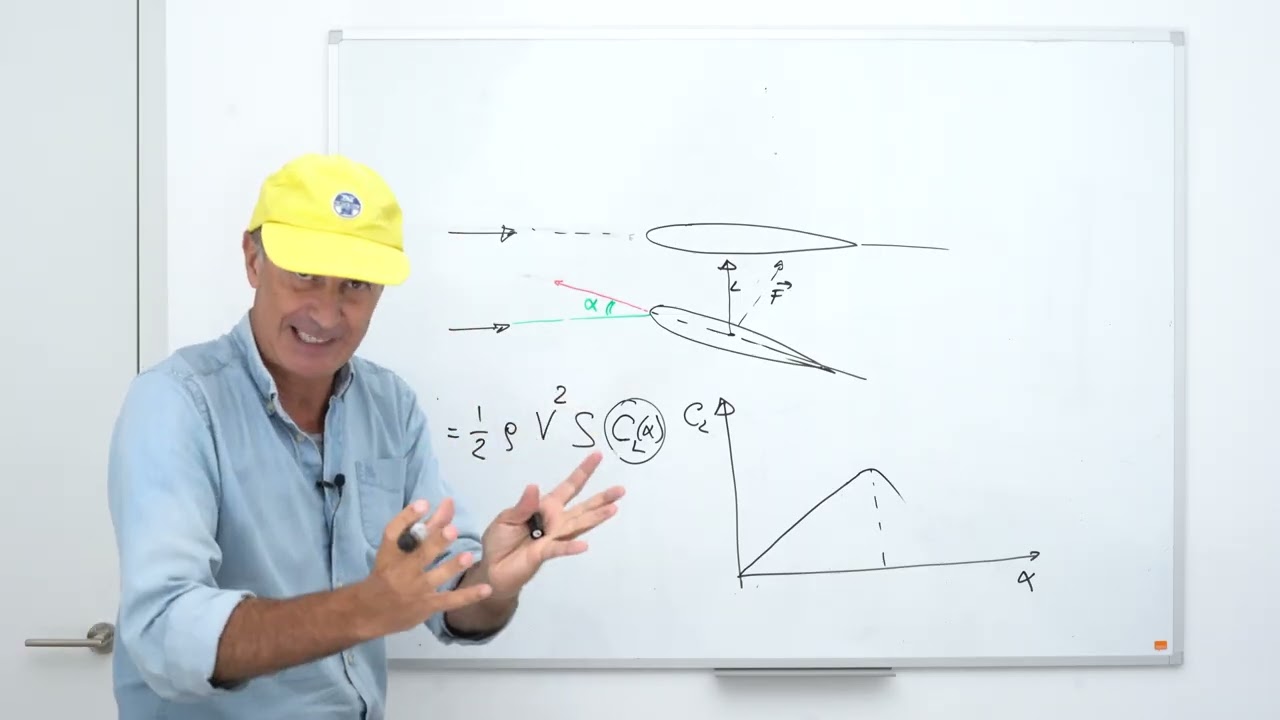
The boom vang controls mainsail twist and leech tension when sailing off the wind, particularly on downwind headings where the mainsheet loses its vertical component.3:13 As a sailor eases the mainsheet to open the sail, the vang becomes the primary tool to pull the boom downward, tension the leech, and stabilize the upper portion of the sail.1:49 Failing to apply sufficient vang tension on downwind points of sail allows the top of the mainsail to twist forward, which can induce severe, uncomfortable rolling as the sail enters and exits a stalled state in resonance with wave motion.5:00 Tightening the vang reduces this twist, stabilizes the sail's angle of attack, and dampens the rolling motion.9:55 When sailing dead downwind, particularly in trade wind conditions, using a preventer or a wing-on-wing configuration with a whisker pole for the headsail further improves stability and comfort.3:54 Proper vang adjustment eliminates the resonant rolling that often makes downwind sailing feel unstable.
More from Yourbestsail


From Yourbestsail — see the channel’s boat, crew, and every analysed video.
The Sailing Directory Newsletter
One email with the fleet's best finds — the moments, boats, and stories worth your watch time. Enter your own address to get your own copy.