Practical Sailorvideo
Hate heeling? These sailboats stay more upright
28 February 2026 · 9 min · 52K views
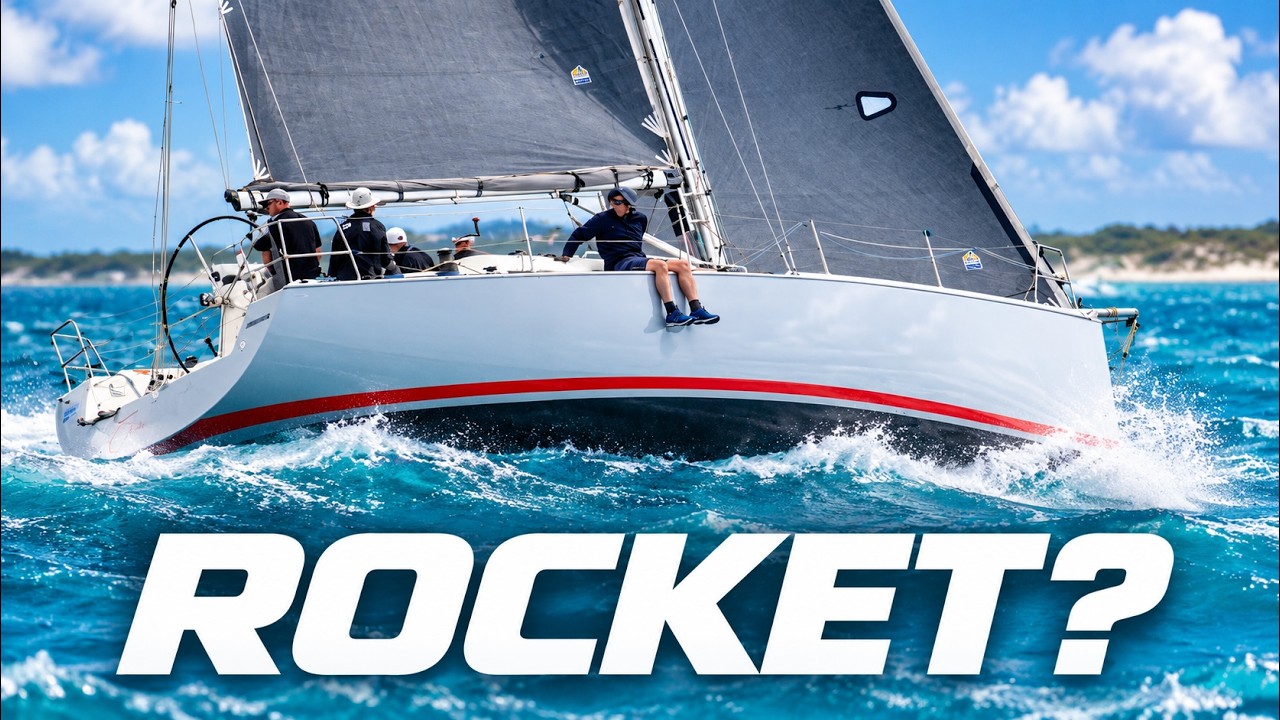
Sailboat heeling sharply against the horizon on open water
What this video covers
Sailboat stability and heel characteristics depend on a combination of sail area-to-displacement ratios, ballast ratios, and hull design. To identify boats that remain upright, prospective buyers should evaluate four key metrics: sail area-to-displacement, ballast ratio, displacement-to-length ratio, and the capsize screening formula.2:27 Heavy-displacement cruisers with conservative sail plans, such as the Pearson Yachts 385, Hallberg-Rassy 40, and Island PACKET 40, offer high ballast ratios and moderate proportions that resist heeling and provide a steady, predictable motion.4:08 In contrast, modern performance-oriented designs like the Oceanis 41, Dufour Yachts 412 GRAND LARGE, and Bavaria Yachts 40 utilise wider beams and higher sail-carrying capacity, which can result in more rapid and dramatic heeling when powered up.5:34 Regardless of design, heeling remains a management issue; sailors can reduce heel on any vessel by reefing early, dropping the traveller, or reducing jib size to keep the boat on its feet.6:53
Boats in this video
More from Practical Sailor

From Practical Sailor — see the channel’s boat, crew, and every analysed video.
The Sailing Directory Newsletter
One email with the fleet's best finds — the moments, boats, and stories worth your watch time. Enter your own address to get your own copy.