Gone with the Wynnsvidéo
Le problème invisible qui peut détruire un bateau
1 mars 2026 · 43 min · 328K vues · Amsterdam, Netherlands
Jess Gatt explains boat systems with host aboard
Ce que couvre cette vidéo
Jessica Gatt, directrice générale de Marine Protection Systems (MPS), effectue une inspection complète de la corrosion et des courants vagabonds à bord du bateau en aluminium de Nikki et Jason Wynn — acheté aux enchères sans expertise ni essai en mer — alors qu'il est à quai en eau douce.1:30 L'inspection de Gatt couvre la mise à la terre de la coque par rapport aux systèmes de batteries isolés, les risques de courants circulants sur les coques métalliques (aluminium, acier, carbone), et la manière de tester chacun d'eux à l'aide d'un outil MPS personnalisé et d'une pince ampèremétrique. Elle explique la différence entre la corrosion galvanique et les courants vagabonds : la corrosion galvanique attaque le métal le moins noble de manière prévisible, tandis que les courants vagabonds détruisent n'importe quel métal sur leur passage en quelques heures, y compris les hélices, les arbres et les gouvernails.12:02 Les systèmes à plus haute tension de 48V ne nécessitent que 0,1 à 0,2 ampères pour causer les mêmes dommages qu'un système de 12V produirait avec 300 à 400 milliampères.12:54 L'alimentation à quai dans les marinas reliées à la terre met les bornes en série, transformant la marina en une cellule galvanique ; un transformateur d'isolement rompt cette connexion et son efficacité est confirmée sur le bateau des Wynn par des tests de résistance en circuit ouvert.17:20 Le choix des anodes dépend du matériau de la coque et de l'environnement de navigation : les anodes en magnésium conviennent uniquement à l'eau douce, les anodes en zinc s'autopassivent en eau douce et contiennent des métaux plus lourds, et les anodes en aluminium — alliées au magnésium et à d'autres métaux pour augmenter leur activité — fonctionnent dans tous les environnements et constituent le choix approprié pour une coque en aluminium passant de l'eau douce à l'eau salée.23:07 Le minimum ABYC pour la protection cathodique est de 200 millivolts ; une surprotection entraîne elle-même un décollement rapide et une défaillance du revêtement.23:44
Plus de vidéos de Gone with the Wynns
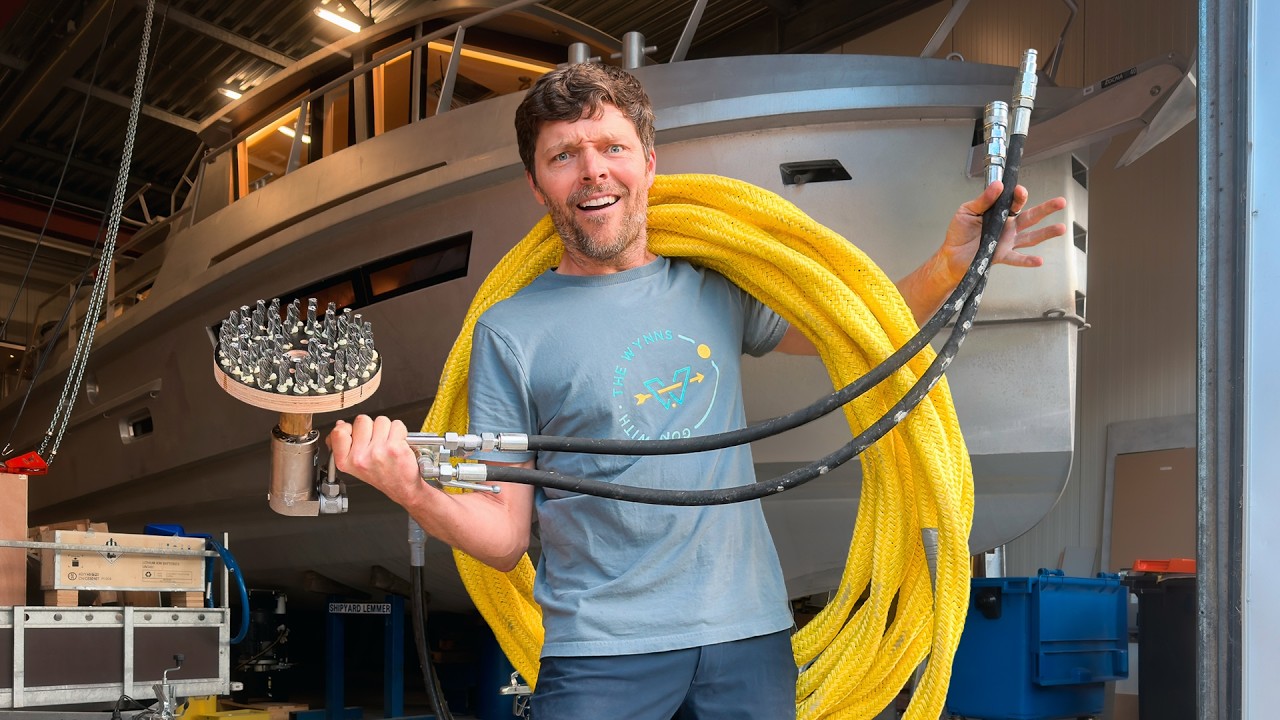
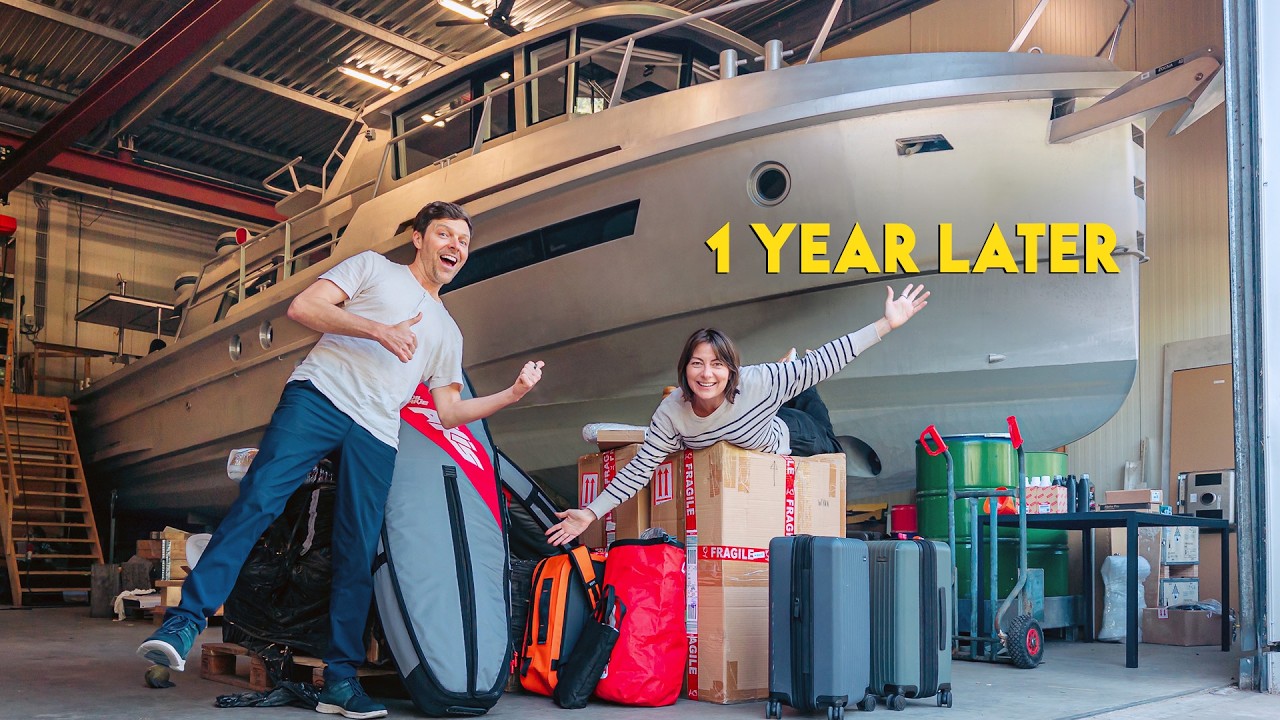


De Gone with the Wynns — voir le bateau, l'équipage et chaque vidéo analysée de la chaîne.
The Sailing Directory Newsletter
Un e-mail avec les meilleures trouvailles de la flotte — les moments, les bateaux et les histoires qui valent la peine d'être regardés. Entrez votre adresse pour recevoir votre propre exemplaire.