BoatHowTovideo
How is this NOT going to CAUSE PROBLEMS ?? 🫣 | Ask The Expert with NIGEL CALDER
30 December 2025 · 3 min · 2K views
Finger points to corroded heat exchanger tubes
What this video covers
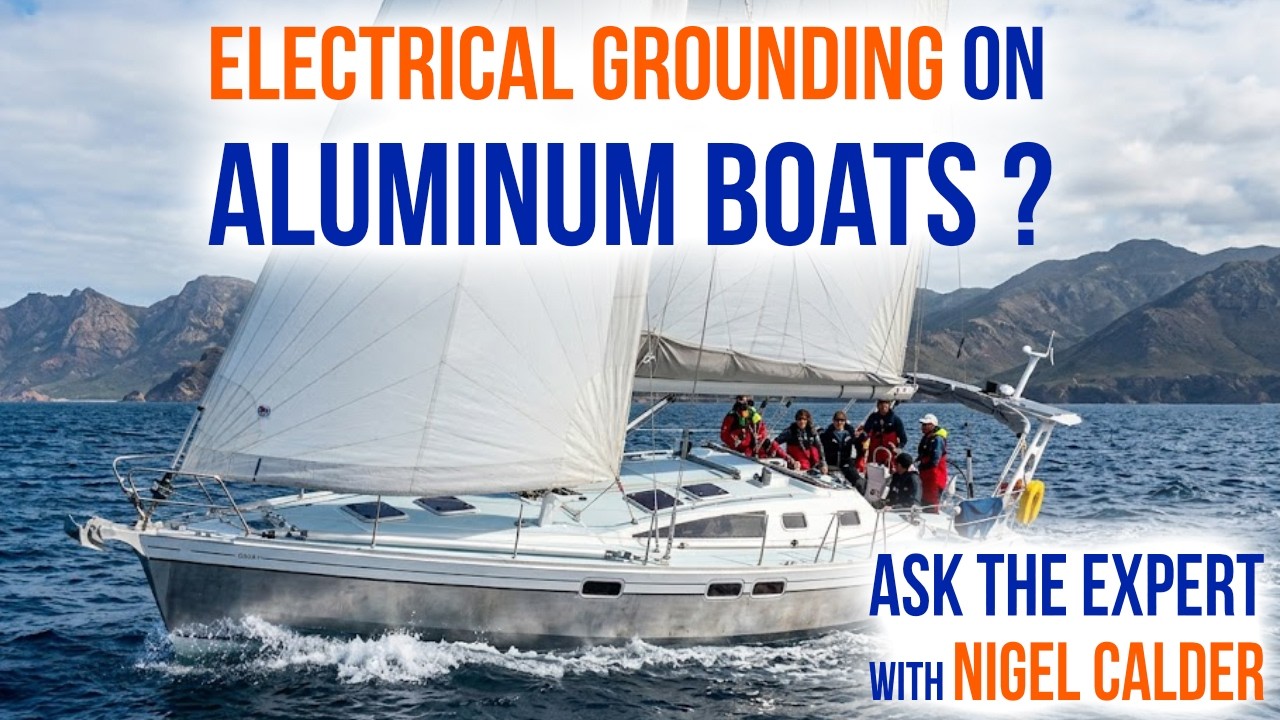
Nigel Calder explains why aluminium-cased aftercoolers and intercoolers on diesel engines — specifically a Caterpillar 3126B — are prone to severe galvanic corrosion, and what to do about it.0:48 The core problem: the seawater-side cooling element inside these units is cupronickel, and when cupronickel contacts an aluminium case with any moisture present, a galvanic cell forms.1:30 That cell can develop outside the zone protected by the sacrificial anode, leaving large areas of aluminium unprotected and actively corroding.1:50 On the original question about anode material, Calder confirms that aluminium anodes designed specifically for engine use are alloyed differently from the base metal and will function correctly without corroding at the same rate as the case.1:20 The critical maintenance step is periodic disassembly: remove the end caps, pull the cupronickel cooling element, clean all surfaces, inspect and replace the O-rings that electrically isolate the aluminium case from the cupronickel core, and reassemble.1:58 Intact O-rings are the key barrier against galvanic current flow between the two dissimilar metals.1:44
More from BoatHowTo


From BoatHowTo — see the channel’s boat, crew, and every analysed video.
The Sailing Directory Newsletter
One email with the fleet's best finds — the moments, boats, and stories worth your watch time. Enter your own address to get your own copy.